PDFdigest Research Library
Computer Science Paper Explanations
Paper explanations for algorithms, systems, NLP, software engineering, security, data science, and computing research.
Understand academic papers in minutes with clear explanations, source context, visual slides, and narrated videos.
Explore by Field
Latest Paper Explanations
Each article explains the paper, evaluates the evidence, and connects the research to a wider problem.
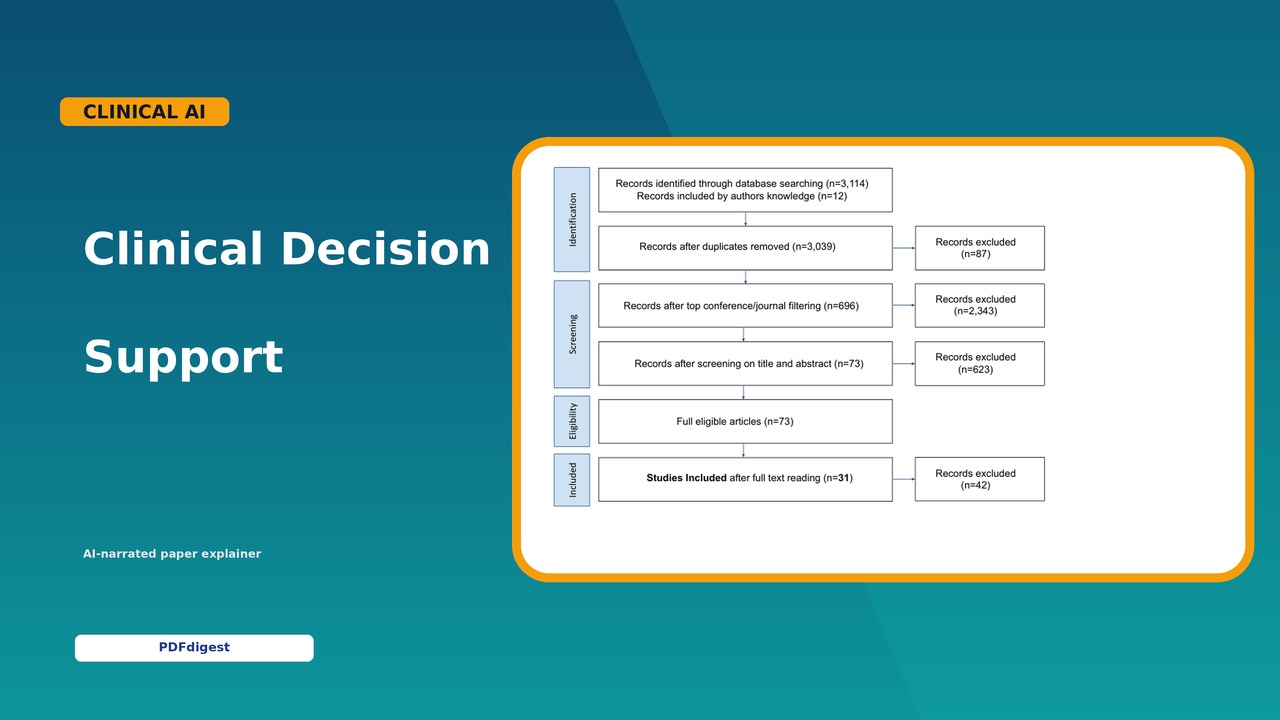
A Survey on Human-Centered Evaluation of Explainable AI Methods in Clinical Decision Support Systems
This paper reviews how explainable AI methods are evaluated in clinical decision support systems, emphasizing the importance of making AI understandable for healthcare professionals.Source: Alessandro Gambetti, Qiwei Han, Hong ShenRead full explanation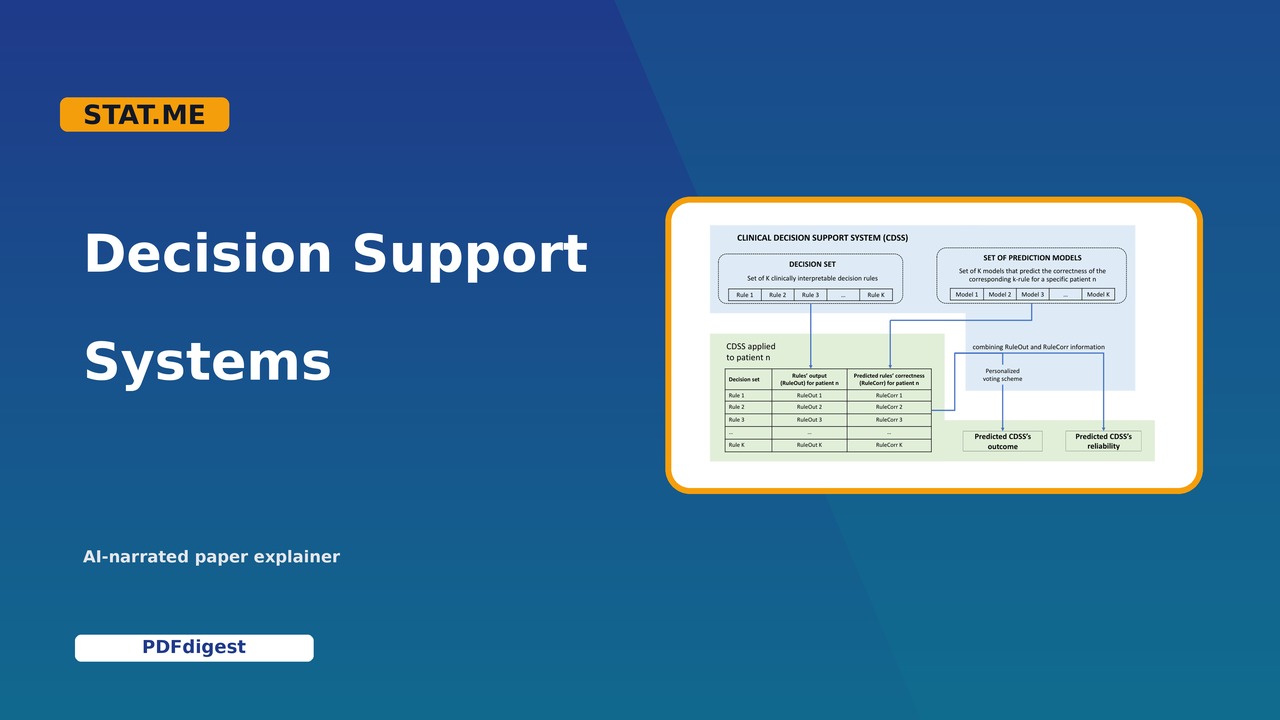
Clinical Support Systems Maps Personalized and Reliable Decision
This paper discusses a new system that helps doctors make better decisions by using rules and machine learning to understand patient data. It aims to make these decisions clearer and more trustworthy.Source: Francisco Valente, Simão Paredes, Jorge HenriquesRead full explanation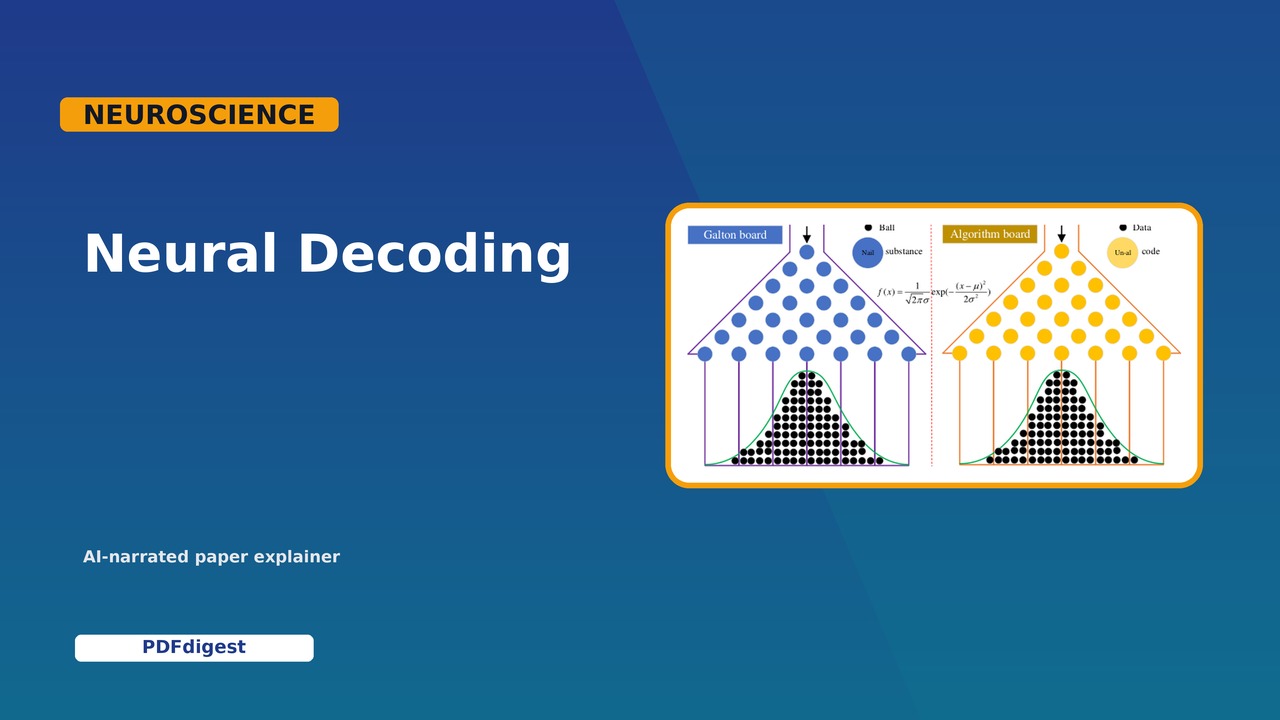
An Algorithm Board in Neural Decoding
This paper investigates how the brain processes information and how we can decode that information using advanced algorithms. It highlights a new method that improves the accuracy of predictions about movements based on brain…Source: Jingyi Feng, Kai YangRead full explanation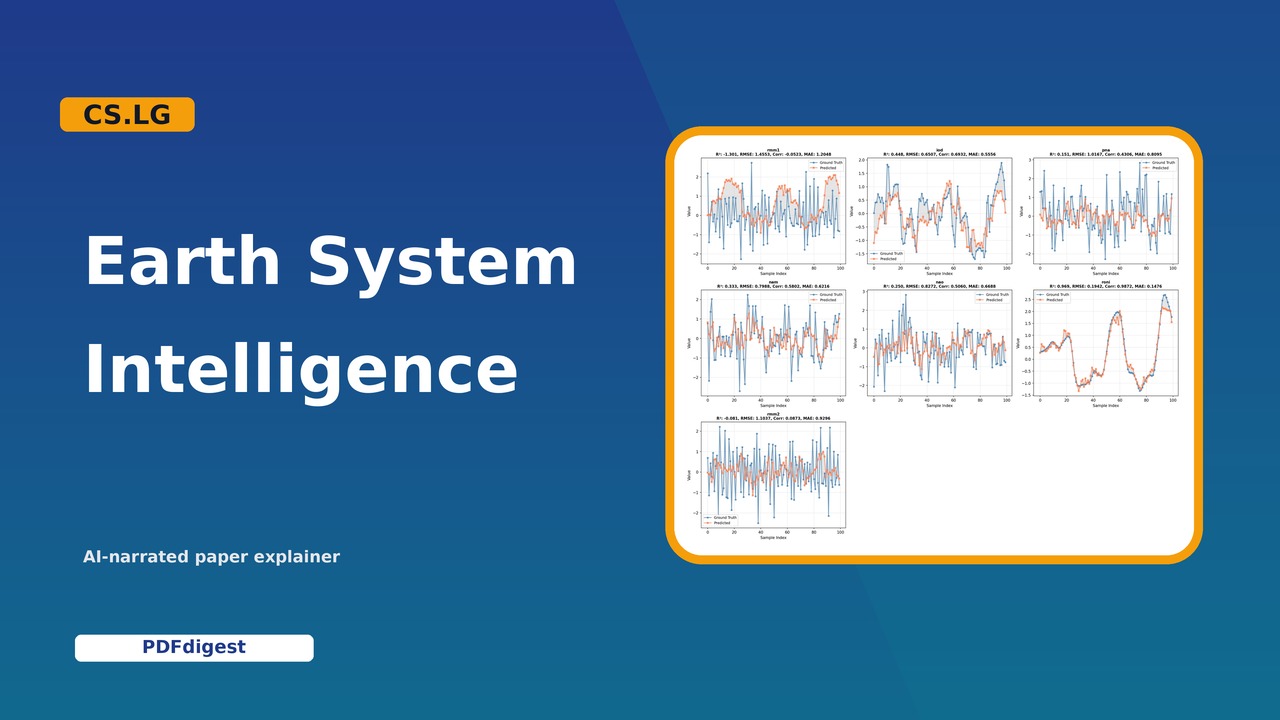
NIVA Brings A Multimodal Foundation Model for into Focus
This paper introduces NIVA, a new AI model that helps improve weather and climate predictions by understanding how different parts of the Earth system interact. It focuses on the ocean and atmosphere to make…Source: Anisha Pal, Aodhan Sweeney, Kyle HeyblomRead full explanation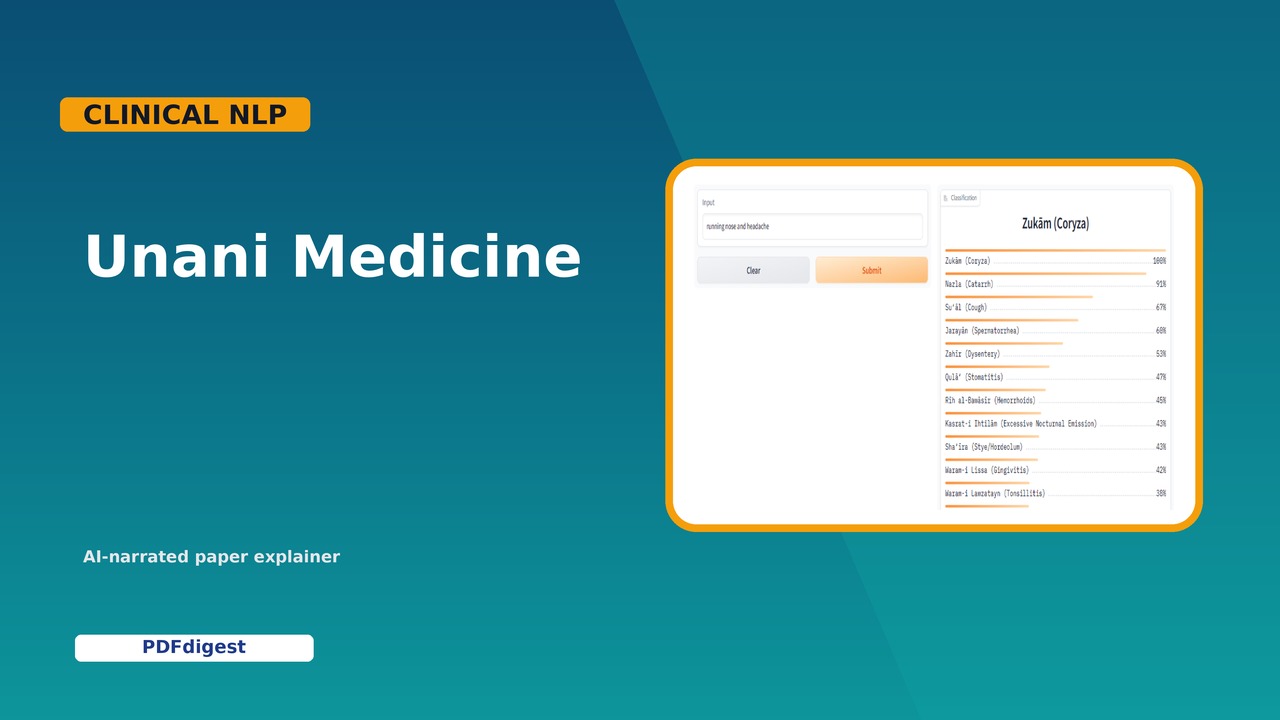
Clinical Decision Support System for Unani Medicine Practitioners
This paper presents a new online system designed to help practitioners of Unani Medicine diagnose diseases more effectively. It uses advanced technology to analyze patient symptoms and suggest possible illnesses, making it easier for…Source: Haider Sultan, Hafiza Farwa Mahmood, Noor FatimaRead full explanation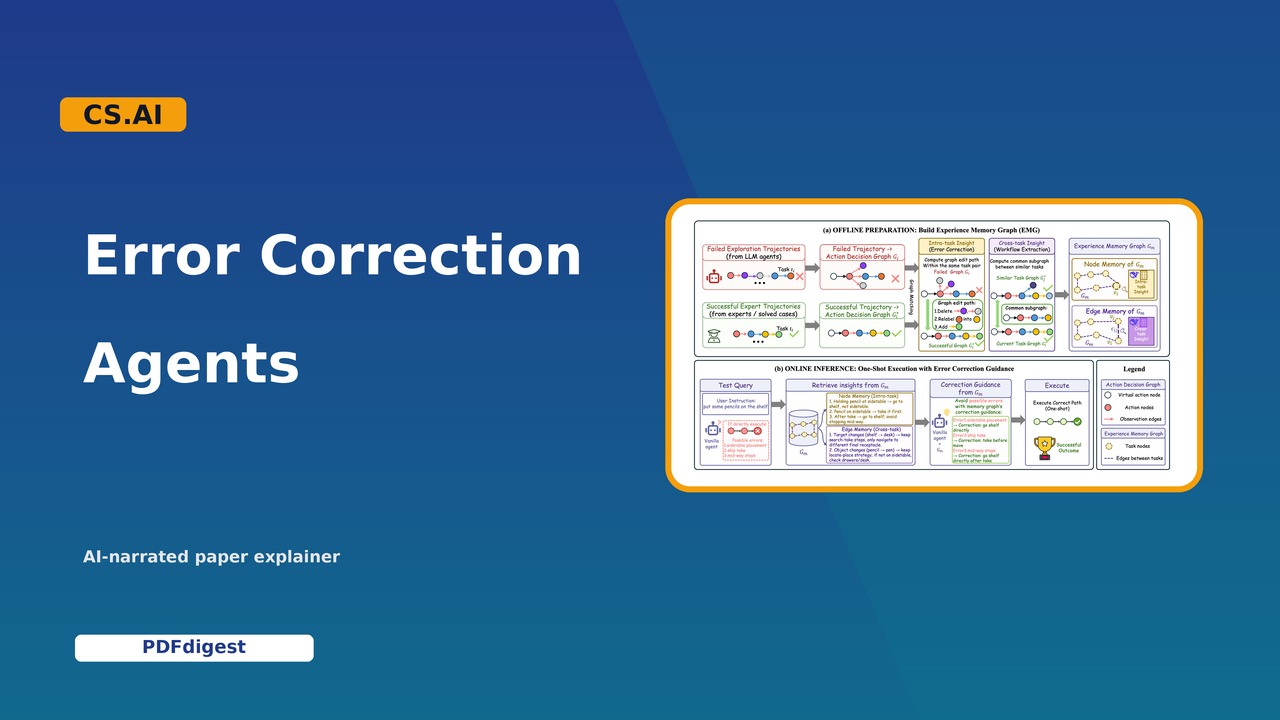
Error Correction Agents Maps Experience Memory Graph: One-Shot
This paper introduces a new method for helping AI agents learn from their mistakes more effectively. Instead of relying on trial-and-error, the proposed system uses a structured approach to remember and correct errors, leading…Source: Wenjun Wang, Yuchen Fang, Fengrui LiuRead full explanation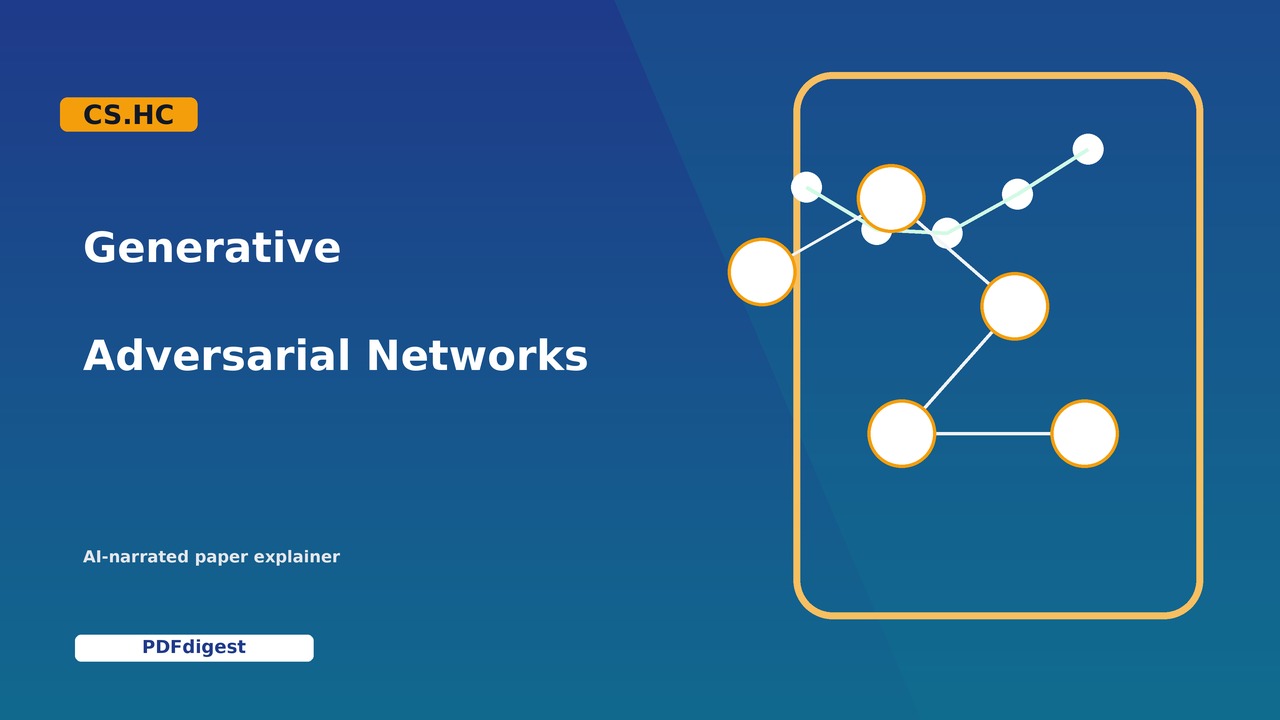
Generative Adversarial Maps Improving brain computer interface
This paper presents a new method to improve brain-computer interfaces by creating more training data using advanced machine learning techniques. This helps in better understanding brain signals and enhances the performance of these systems.Source: Qiqi Zhang, Ying LiuRead full explanation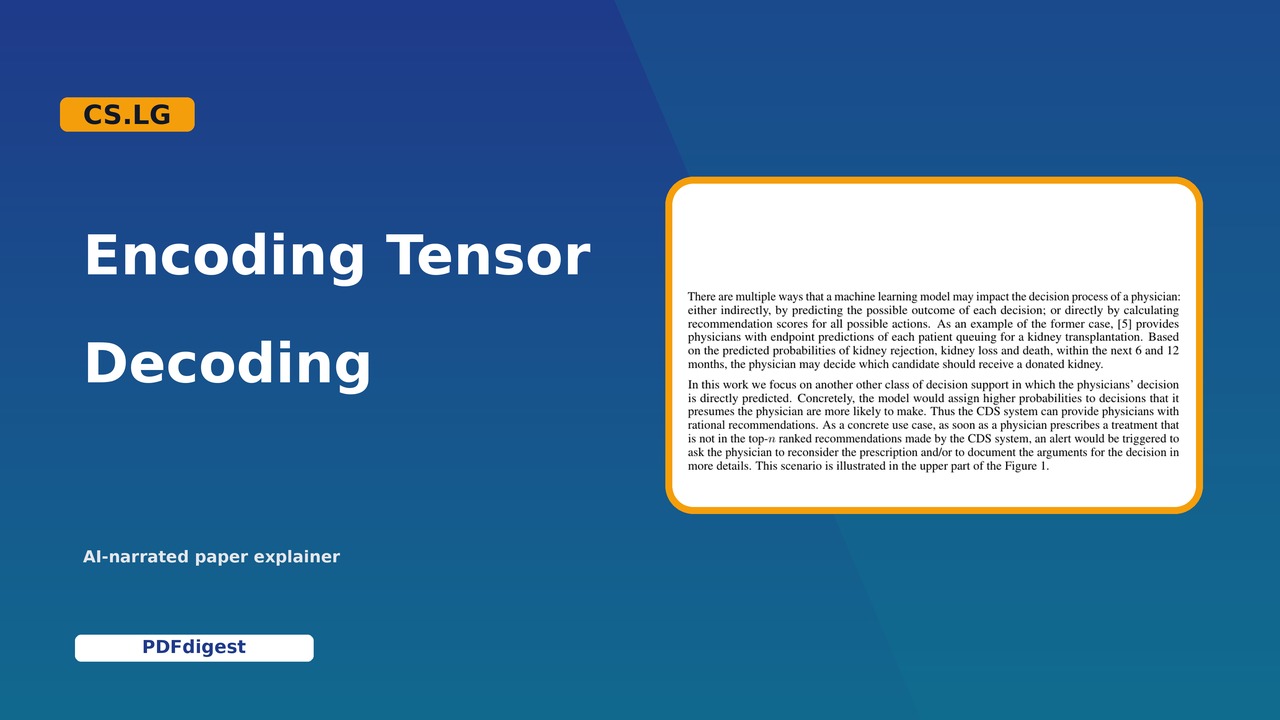
RNN Maps Predictive Clinical Decision Support
This paper discusses a new system that helps doctors make better treatment decisions for cancer patients by using advanced machine learning techniques. It combines different types of patient data to predict what treatments are…Source: Yinchong Yang, Peter A Fasching, Markus WallwienerRead full explanation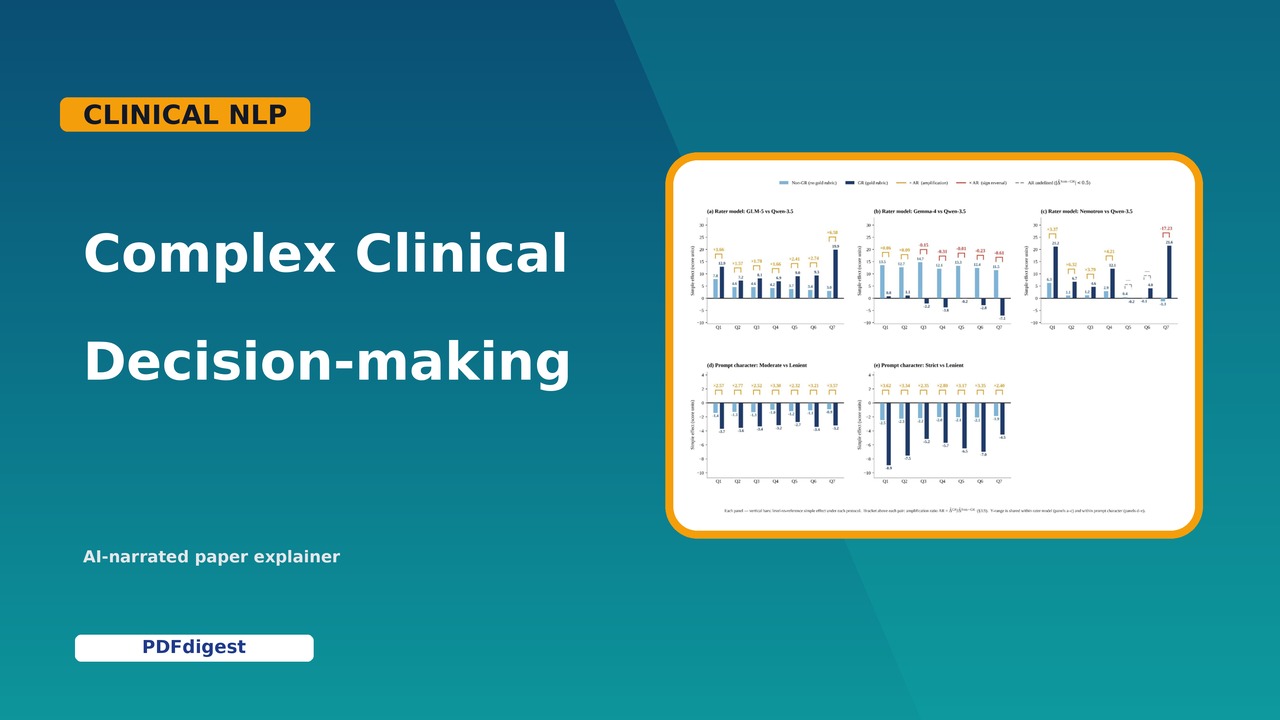
AI Rater Discrimination Depends on Scoring Protocol in Complex Clinical Decision-Making
This paper examines how AI systems, specifically large language models, evaluate clinical decisions in diabetes treatment. It highlights the differences in scoring based on the evaluation method used.Source: Sangwon Baek, Yeon Kyu, HurRead full explanation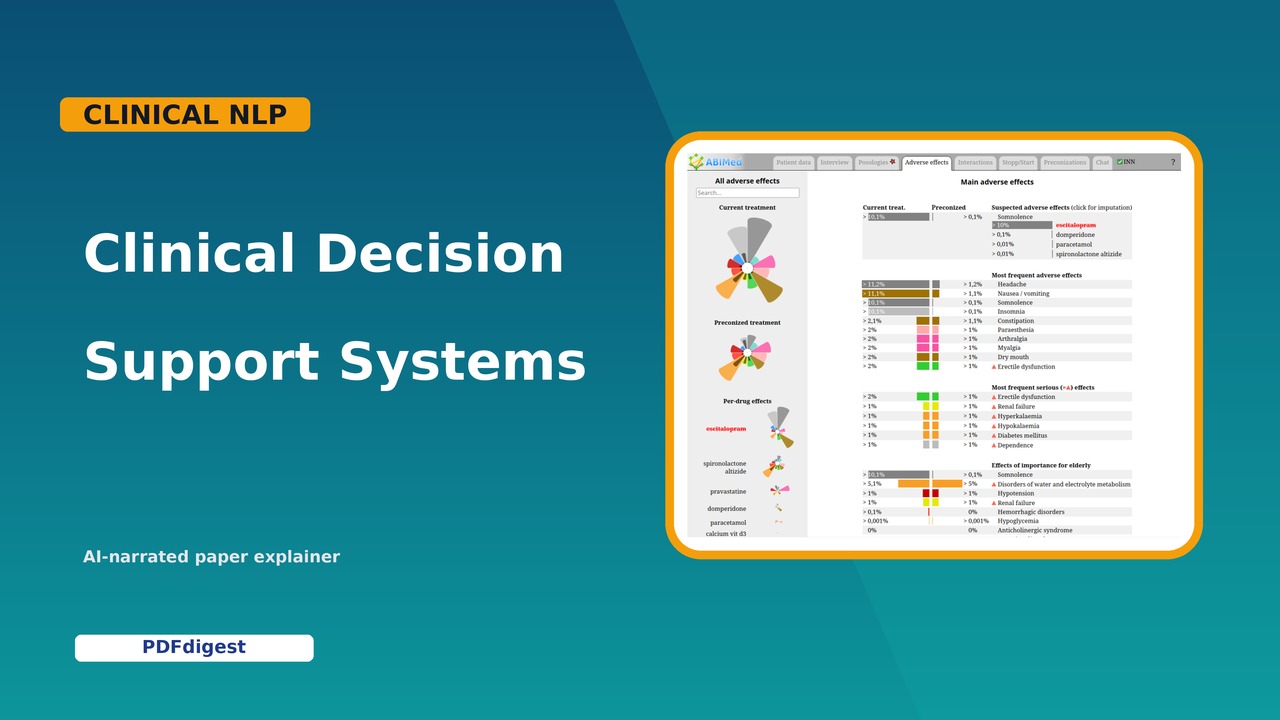
ABiMed: An intelligent and visual clinical decision support system for medication reviews and polypharmacy management
ABiMed is a new system designed to help pharmacists and doctors work together to manage patients who take many medications. It makes the process easier and more efficient by automatically gathering patient information and…Source: Abdelmalek Mouazer, Romain Léguillon, Nada BoudegzdameRead full explanation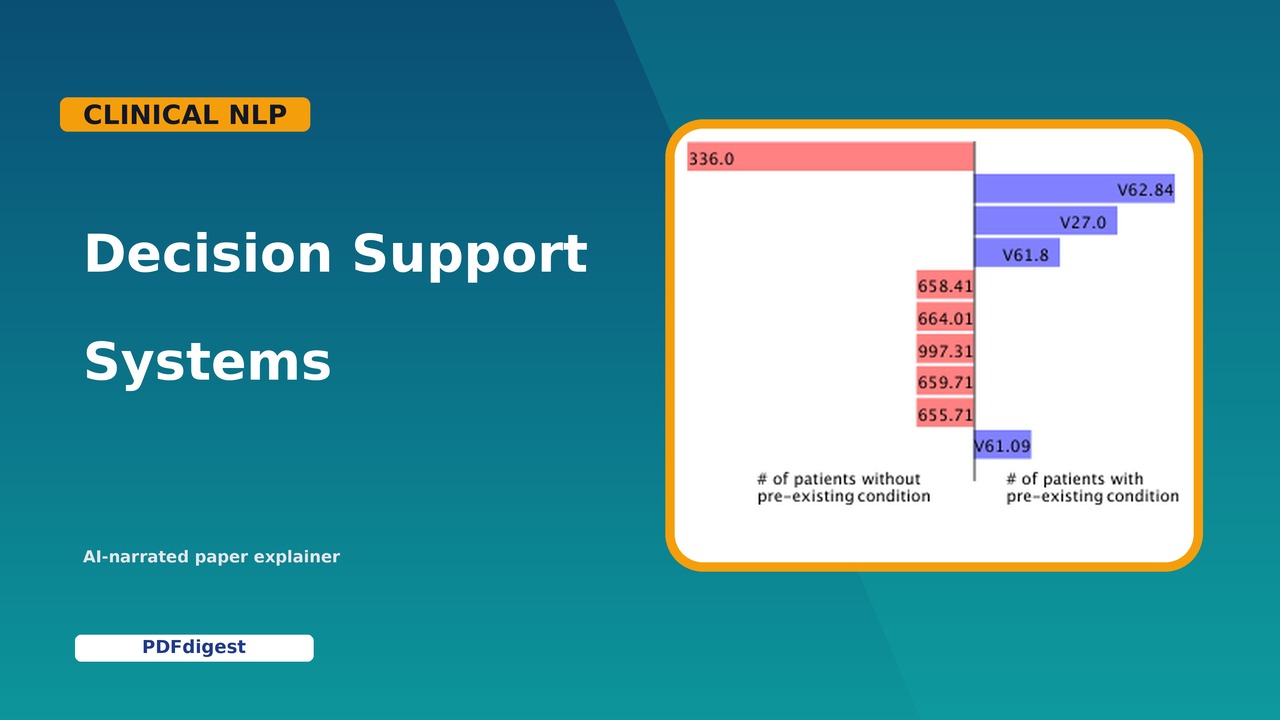
FairLens: Auditing Black-box Clinical Decision Support Systems
This paper introduces FairLens, a tool designed to help healthcare professionals identify and understand biases in AI systems used for clinical decision-making. It emphasizes the importance of ensuring that these systems are fair and…Source: Cecilia Panigutti, Alan Perotti, Andrè PanissonRead full explanation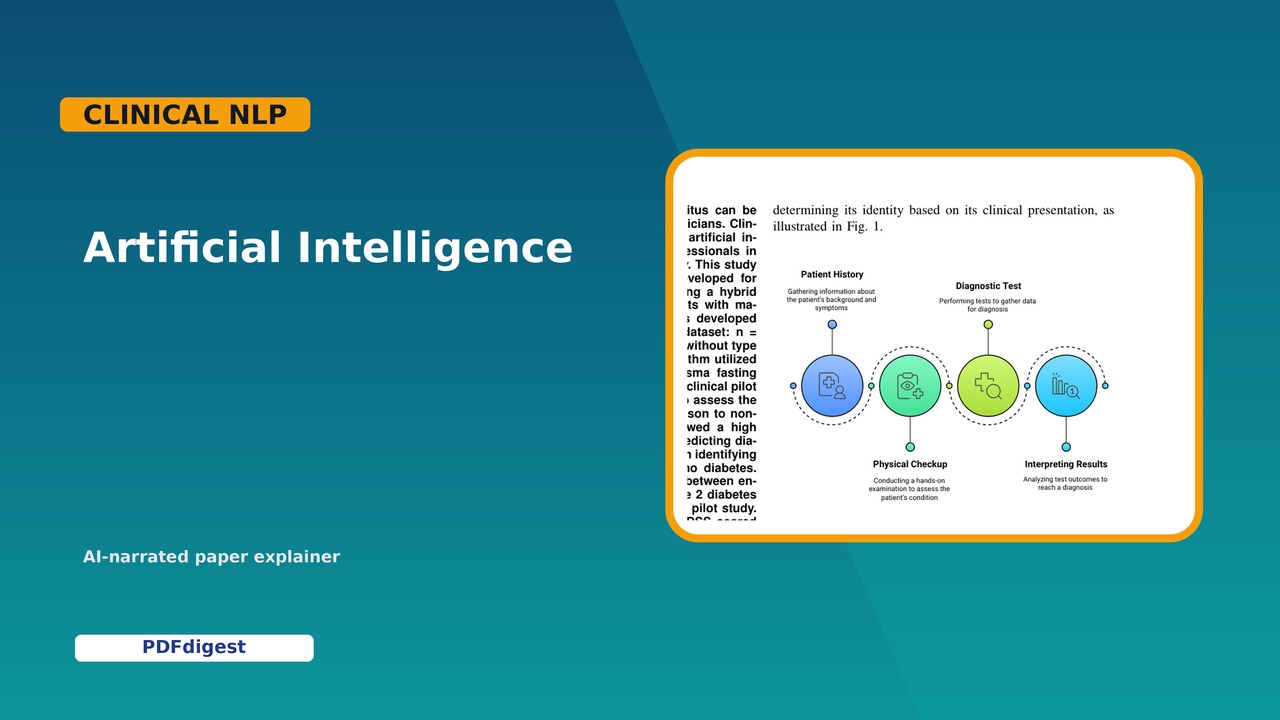
AI-Driven Clinical Decision Support System for Enhanced Diabetes Diagnosis and Management
This study presents a new AI system designed to help doctors diagnose and manage type 2 diabetes more effectively. It combines expert knowledge with advanced technology to improve accuracy in identifying diabetes and prediabetes.Source: Mujeeb Ur Rehman, Imran Rehan, Sohail KhalidRead full explanation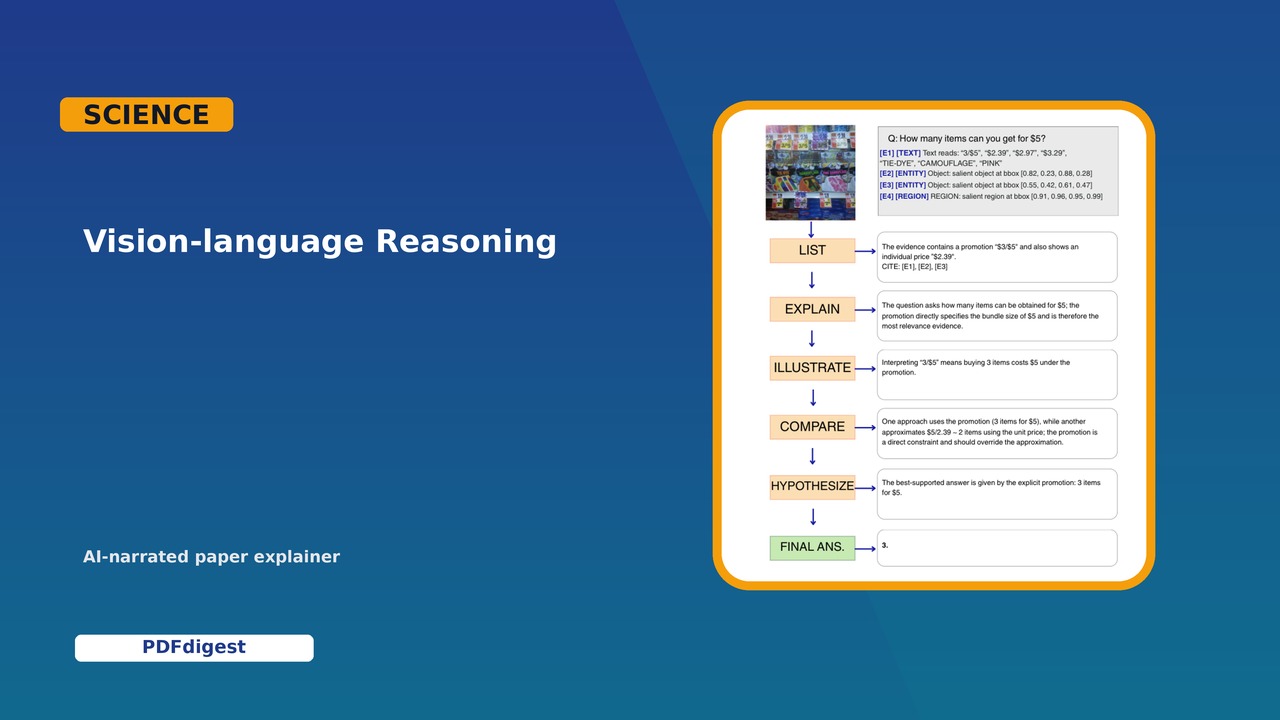
Mixture of Cognitive Experts in Large Vision-Language Models
This paper discusses how advanced models that understand both images and text can be improved by using specialized systems that mimic human thinking. It introduces a new framework that helps these models reason better…Source: Robert Wijaya, Ngai-Man CheungRead full explanation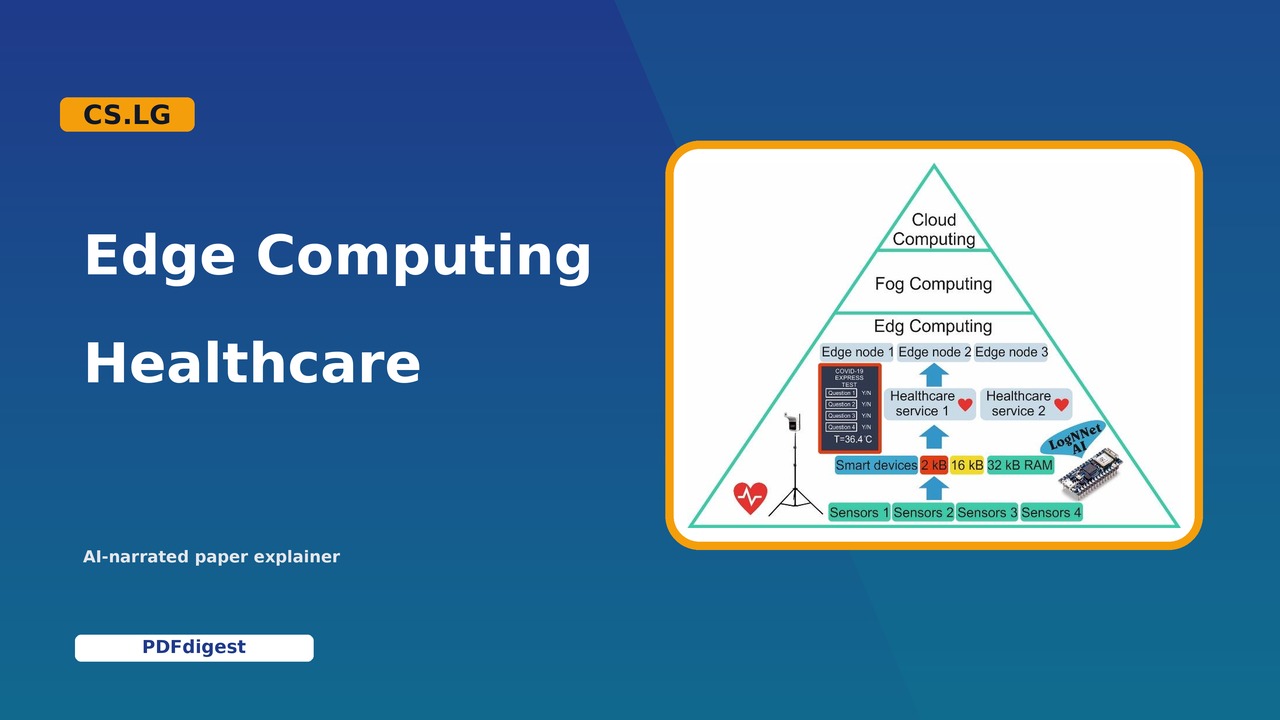
A Method for Medical Data Analysis: Evidence from Edge Computing Healthcare
This paper introduces a new method for analyzing medical data using a special type of neural network called LogNNet.Source: Andrei VelichkoRead full explanation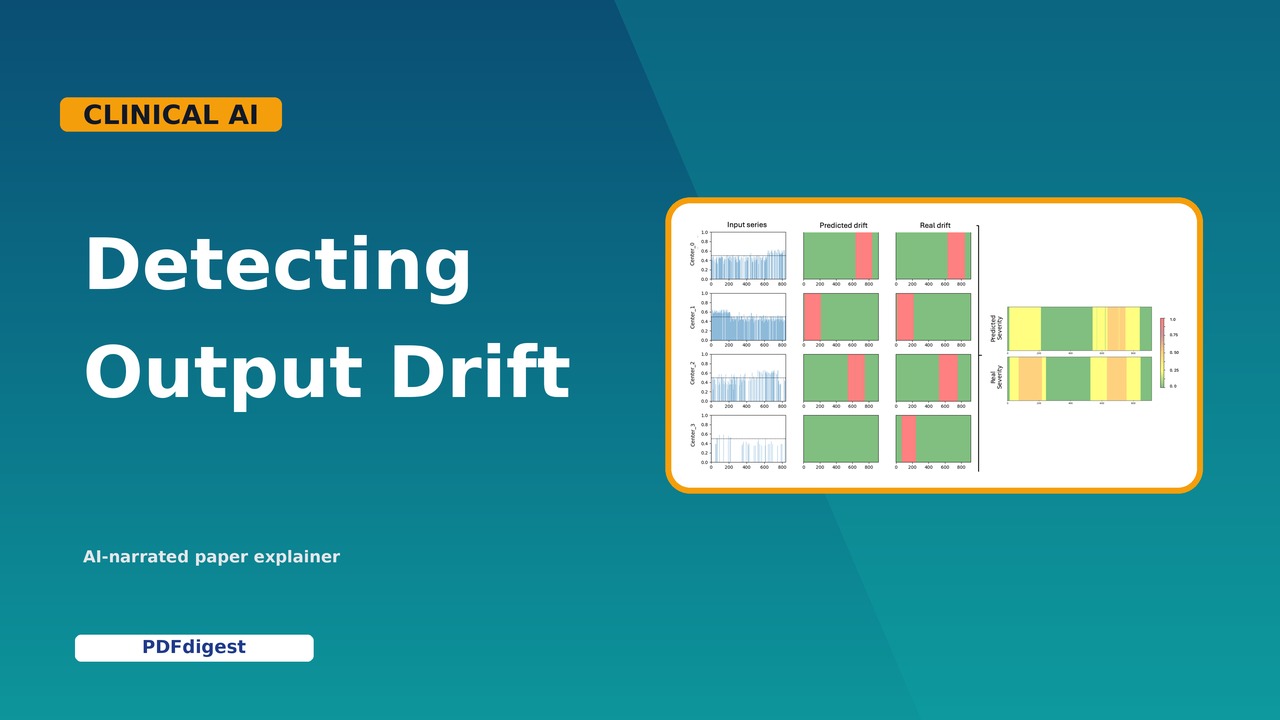
Agent-Based Output Drift Detection for: Evidence from Decision Support System
This paper discusses a new way to monitor the performance of AI systems used in breast cancer treatment across different hospitals. It highlights the importance of detecting when these systems start to perform poorly…Source: Xavier Rafael-Palou, Jose Munuera, Ana Jimenez-PastorRead full explanation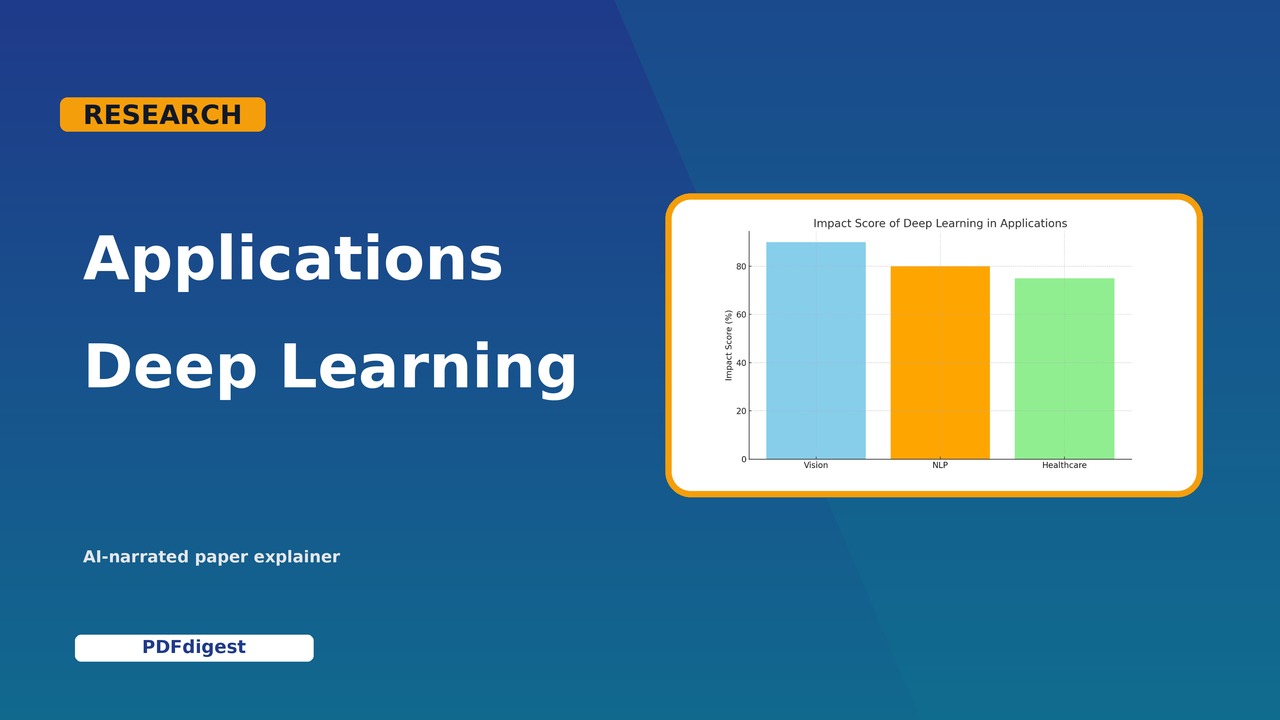
Intelligent Learning Systems: A Deep: Evidence from Architectures Algorithms
This paper discusses how deep learning, a modern approach in machine learning, helps computers recognize patterns and extract information from data. It covers different models like CNNs for images, RNNs for sequences, and GANs…Source: jk krRead full explanation
Multi-Agent Reinforcement Learning for: Evidence from RAT
This paper explores how vehicles can choose the best communication method to improve their performance in various driving scenarios. It uses advanced algorithms to make these decisions more efficiently.Source: Moritz Schaffenroth, Uwe Kölbel, Heike LepkeRead full explanation