PDFdigest Research Library
Psychology Paper Explanations
Readable explanations of psychology papers about behavior, learning, cognition, mental health, and human decision-making.
Understand academic papers in minutes with clear explanations, source context, visual slides, and narrated videos.
Explore by Field
Latest Paper Explanations
Each article explains the paper, evaluates the evidence, and connects the research to a wider problem.
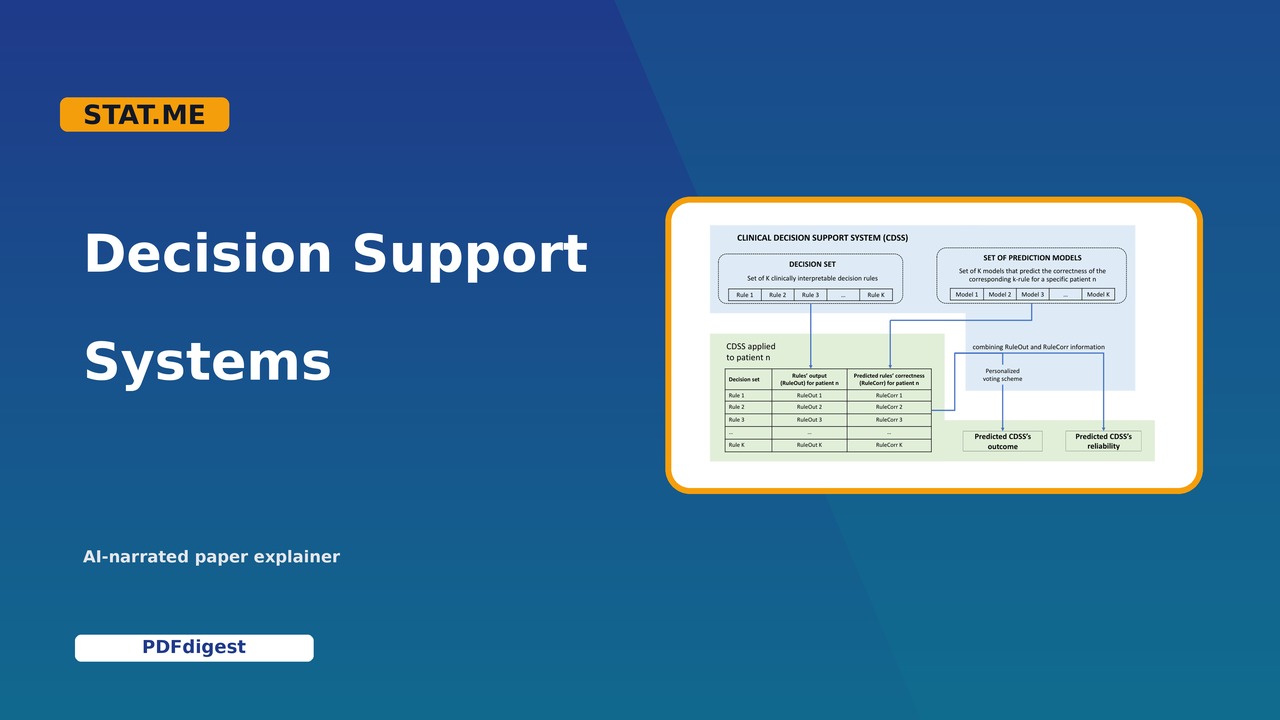
Clinical Support Systems Maps Personalized and Reliable Decision
This paper discusses a new system that helps doctors make better decisions by using rules and machine learning to understand patient data. It aims to make these decisions clearer and more trustworthy.Source: Francisco Valente, Simão Paredes, Jorge HenriquesRead full explanation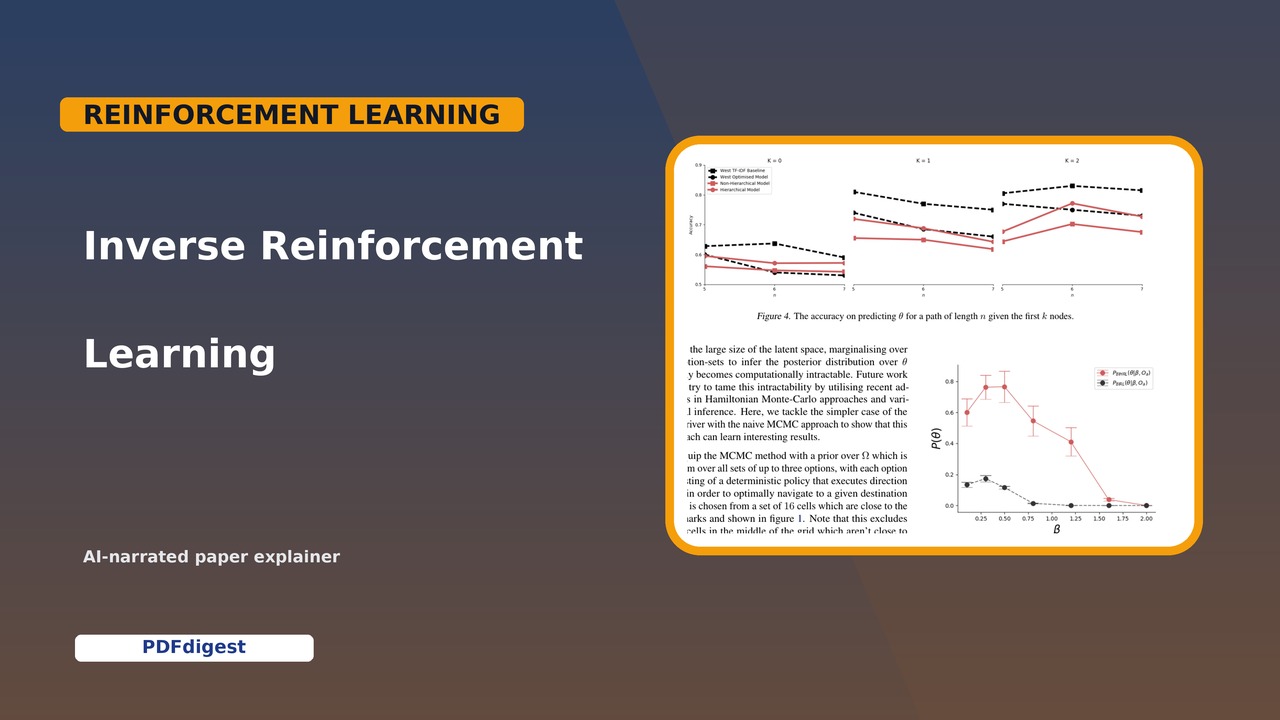
Exploring Hierarchy-Aware Inverse Reinforcement Learning
This paper presents a new approach to understanding how humans make decisions by using a model that considers the hierarchical nature of planning. It shows that this model can better predict human goals compared…Source: Chris J Cundy, Daniel FilanRead full explanation
Generative Adversarial Maps Improving brain computer interface
This paper presents a new method to improve brain-computer interfaces by creating more training data using advanced machine learning techniques. This helps in better understanding brain signals and enhances the performance of these systems.Source: Qiqi Zhang, Ying LiuRead full explanation
RNN Maps Predictive Clinical Decision Support
This paper discusses a new system that helps doctors make better treatment decisions for cancer patients by using advanced machine learning techniques. It combines different types of patient data to predict what treatments are…Source: Yinchong Yang, Peter A Fasching, Markus WallwienerRead full explanation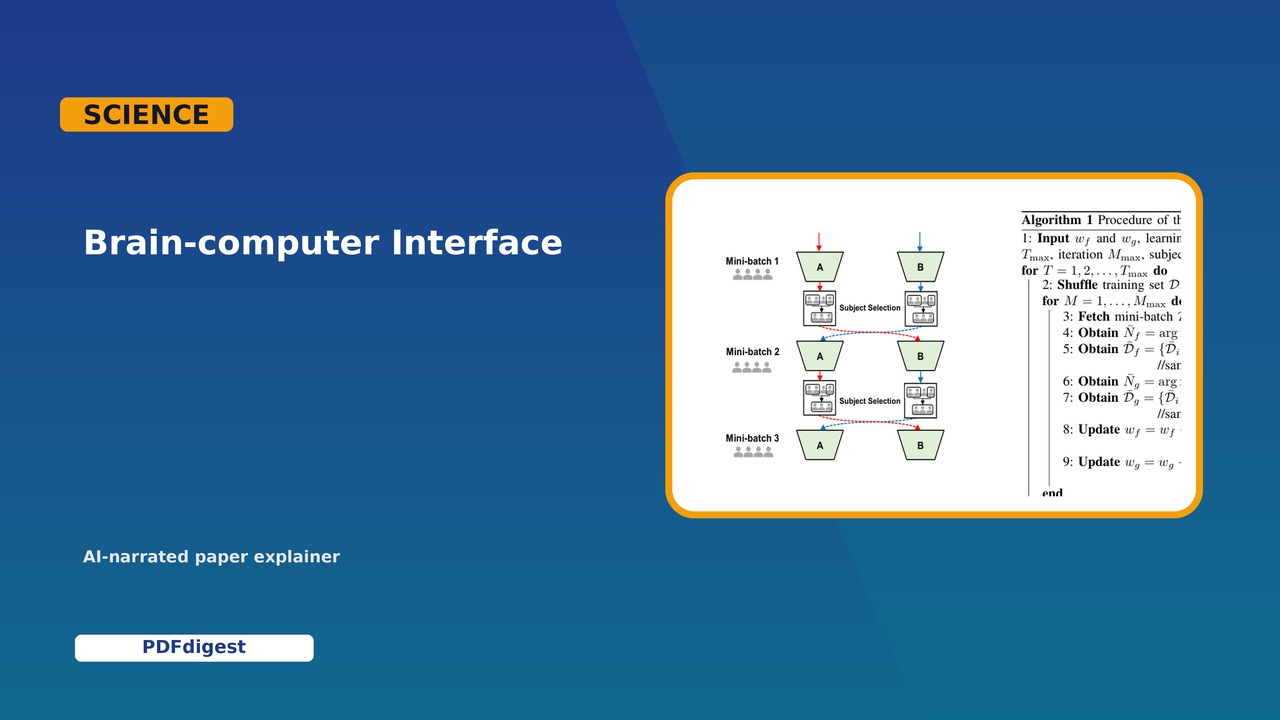
Confidence-Aware Subject-to-Subject Transfer Learning for Brain-Computer Interface
This paper presents a new method to improve brain-computer interfaces by using data from subjects who provide reliable signals, making the technology more effective and easier to use.Source: Dong-Kyun Han, Dong-Young Kim, Serkan MusellimRead full explanation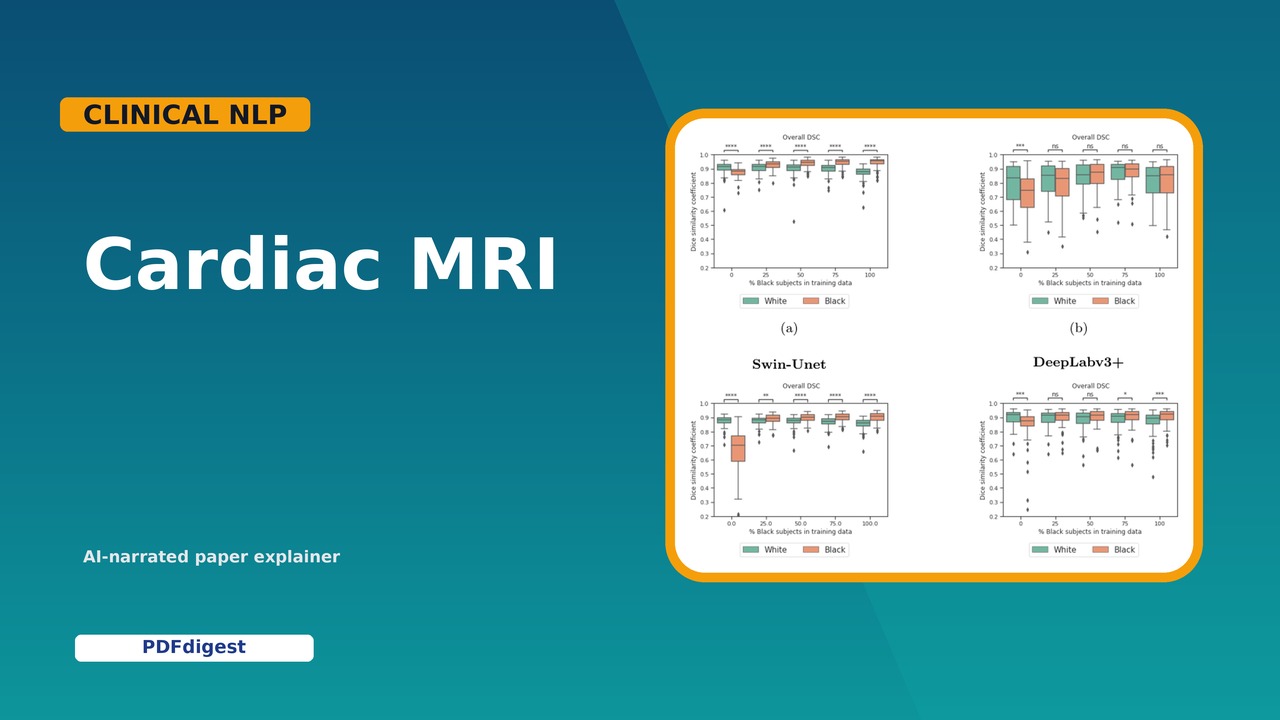
An investigation into the impact of deep learning model choice on sex and race bias in cardiac MR segmentation
This paper examines how different AI models can show bias based on sex and race when analyzing heart images. It highlights the importance of choosing the right model to ensure fair treatment in medical…Source: Tiarna Lee, Esther Puyol-Antón, Bram RuijsinkRead full explanation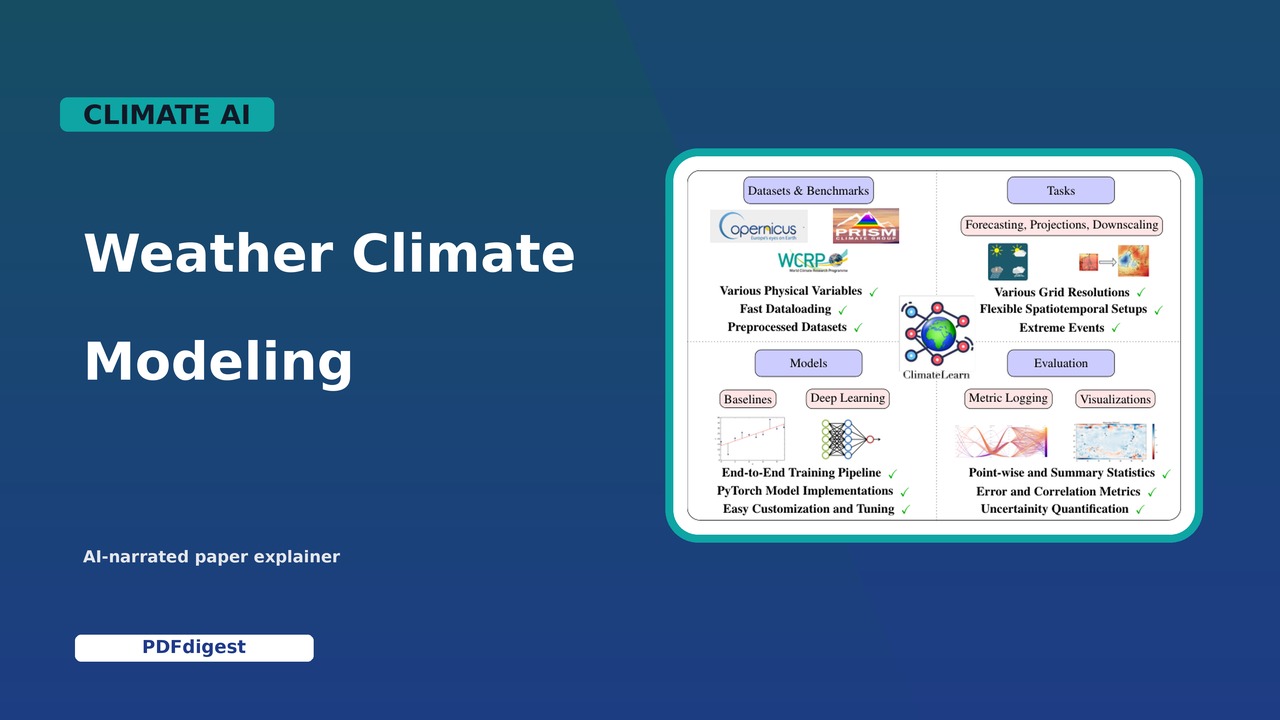
ClimateLearn: Benchmarking Machine Learning for Weather and Climate Modeling
ClimateLearn is a new tool that helps scientists use machine learning to better predict weather and understand climate change. It makes it easier to work with large datasets and test different models.Source: Tung Nguyen, Jason Jewik, Hritik BansalRead full explanation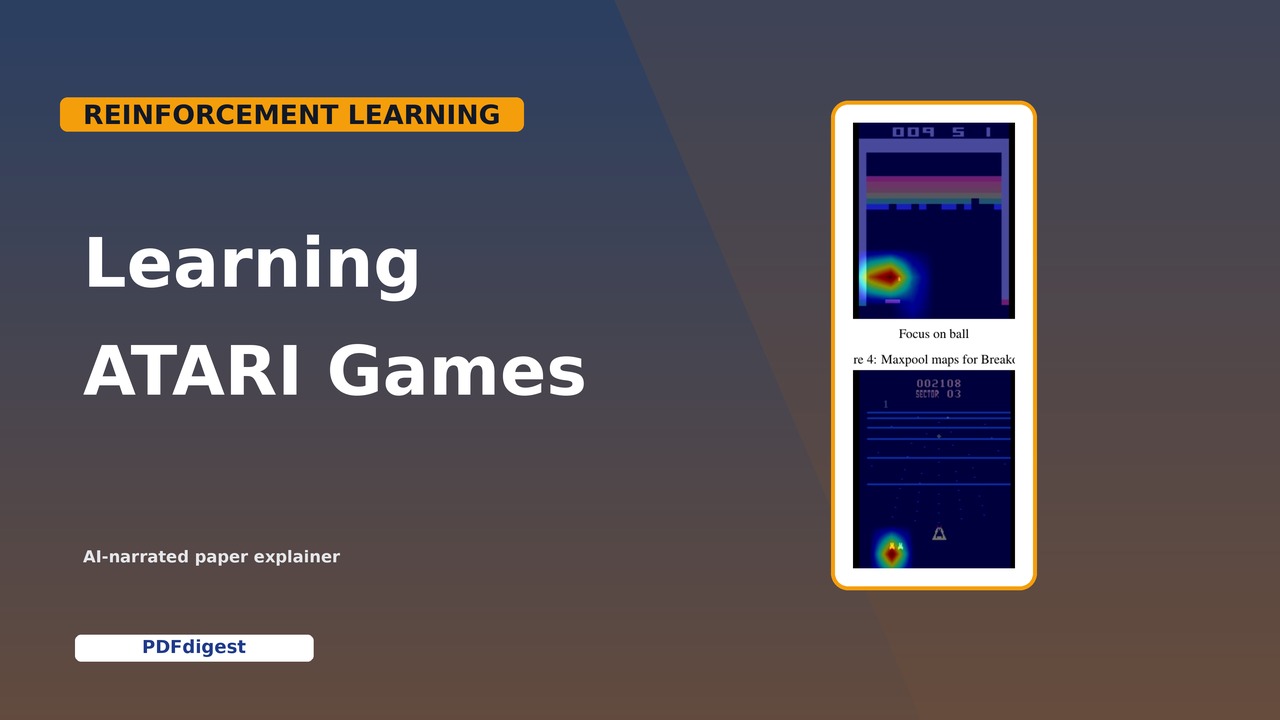
Compression and Localization in Reinforcement Learning for ATARI Games
This paper discusses a new approach to making reinforcement learning models smaller and more efficient, particularly for playing ATARI games.Source: Joel Ruben, Antony Moniz, Barun PatraRead full explanation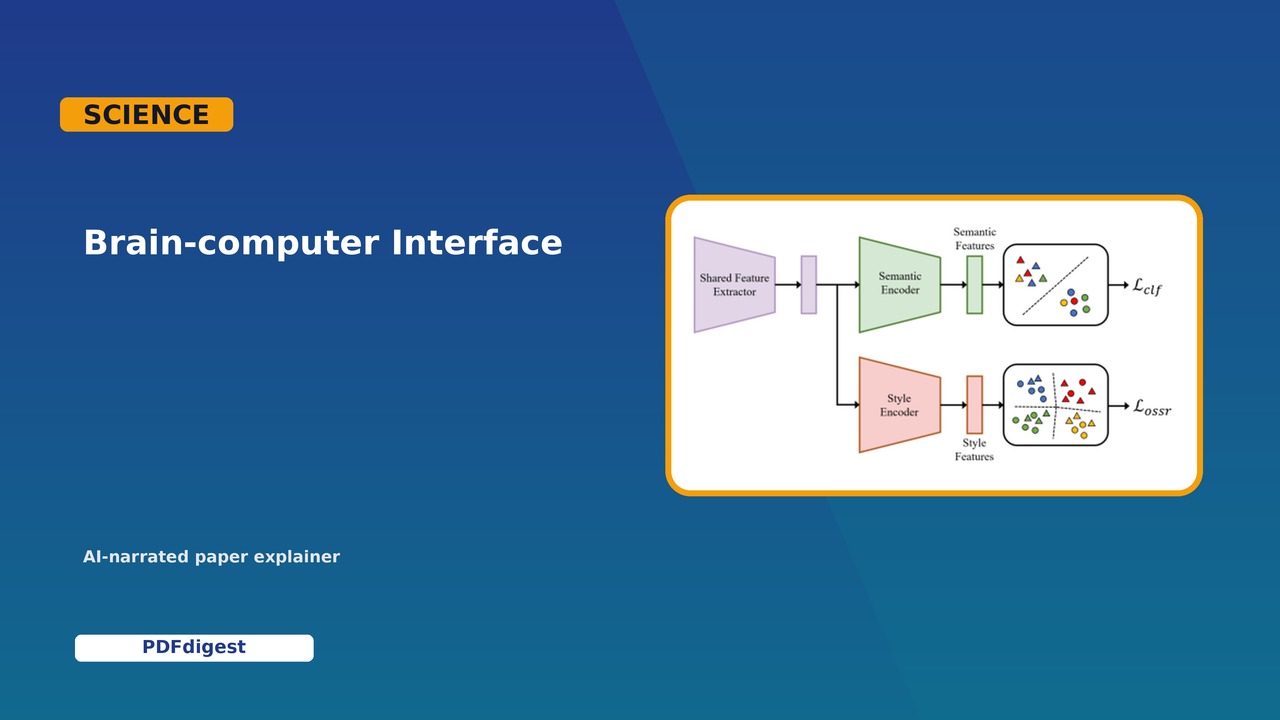
Subject-Independent Brain-Computer Interfaces with Open-Set Subject Recognition
This paper presents a new approach to improve brain-computer interfaces (BCIs) by reducing the need for individual calibration. It introduces a method that learns from multiple subjects to better recognize brain signals from new…Source: Dong-Kyun Han, Geun-Deok Jang, Dong-Young KimRead full explanation
deepFEPS: Deep Learning-Oriented: Evidence from Extraction Biological
deepFEPS is a user-friendly tool that helps researchers convert biological sequences into numerical data for machine learning. It simplifies the process by combining various methods into one platform.Source: Hamid Ismail, Marwan BikdashRead full explanation
Memory-Efficient Episodic Control: Evidence from Dynamic Online K-Means
This paper presents a new method for improving how machines learn from past experiences in a memory-efficient way. It focuses on making learning faster and more effective by using a smart clustering technique.Source: Andrea Agostinelli, Kai Arulkumaran, Marta SarricoRead full explanation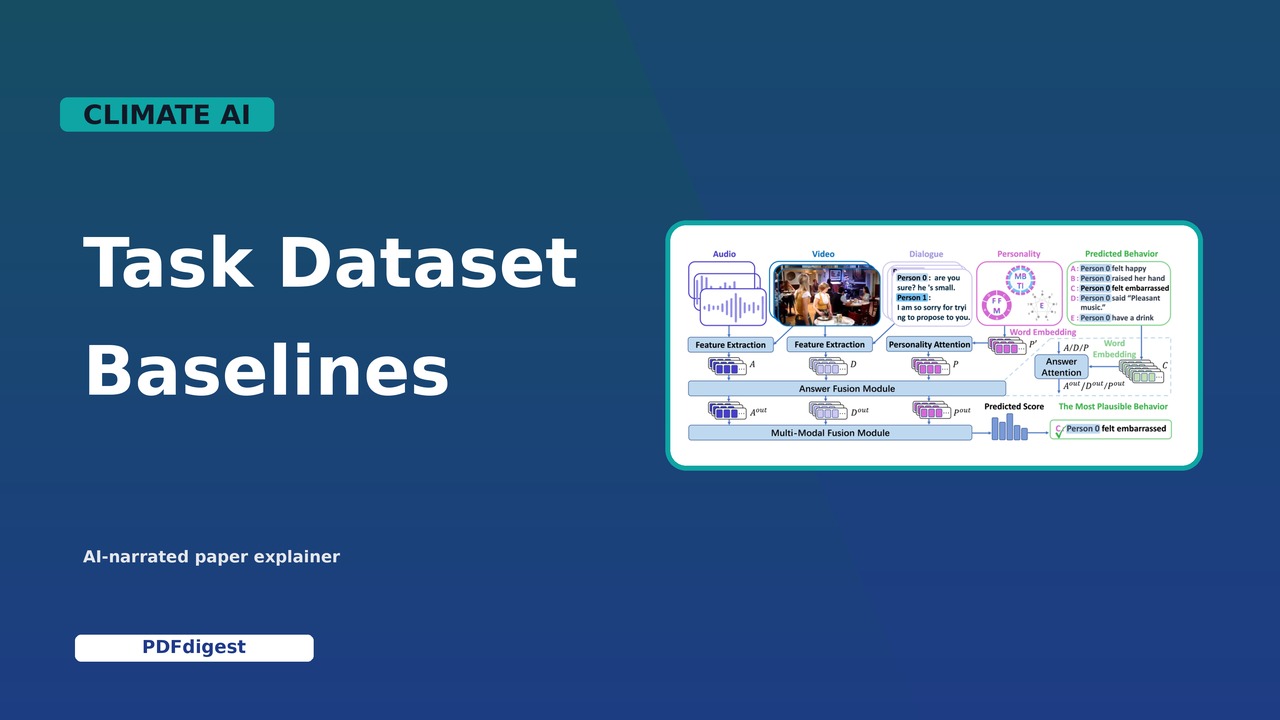
Personality-aware Human-centric Multimodal Reasoning: A New Task, Dataset and Baselines
This paper presents a new approach to understanding how personality traits influence people's behavior in social situations by analyzing various types of information from videos.Source: Yaochen Zhu, Xiangqing Shen, Rui XiaRead full explanation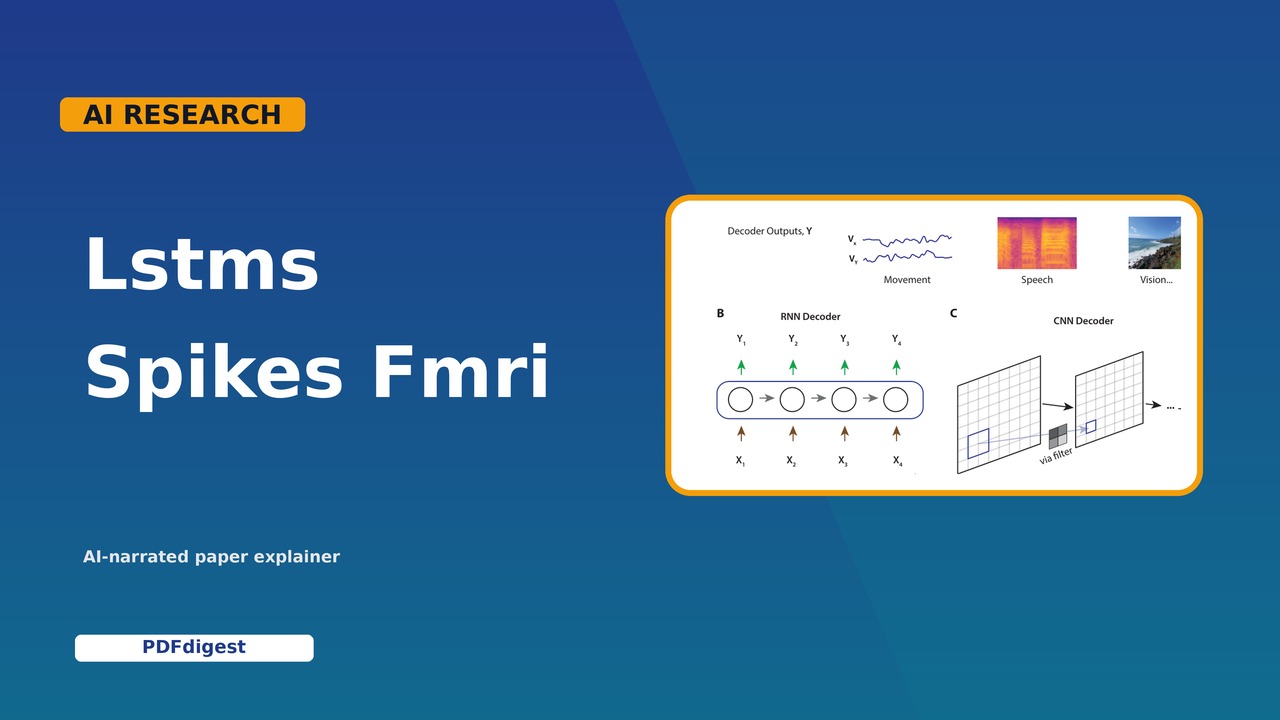
Deep learning approaches for neural decoding: from CNNs to LSTMs and spikes to fMRI
This paper discusses how deep learning techniques can be used to interpret signals from the brain to understand behavior and cognitive states. It highlights the importance of different neural recording methods and how they…Source: Jesse A Livezey, Joshua I GlaserRead full explanation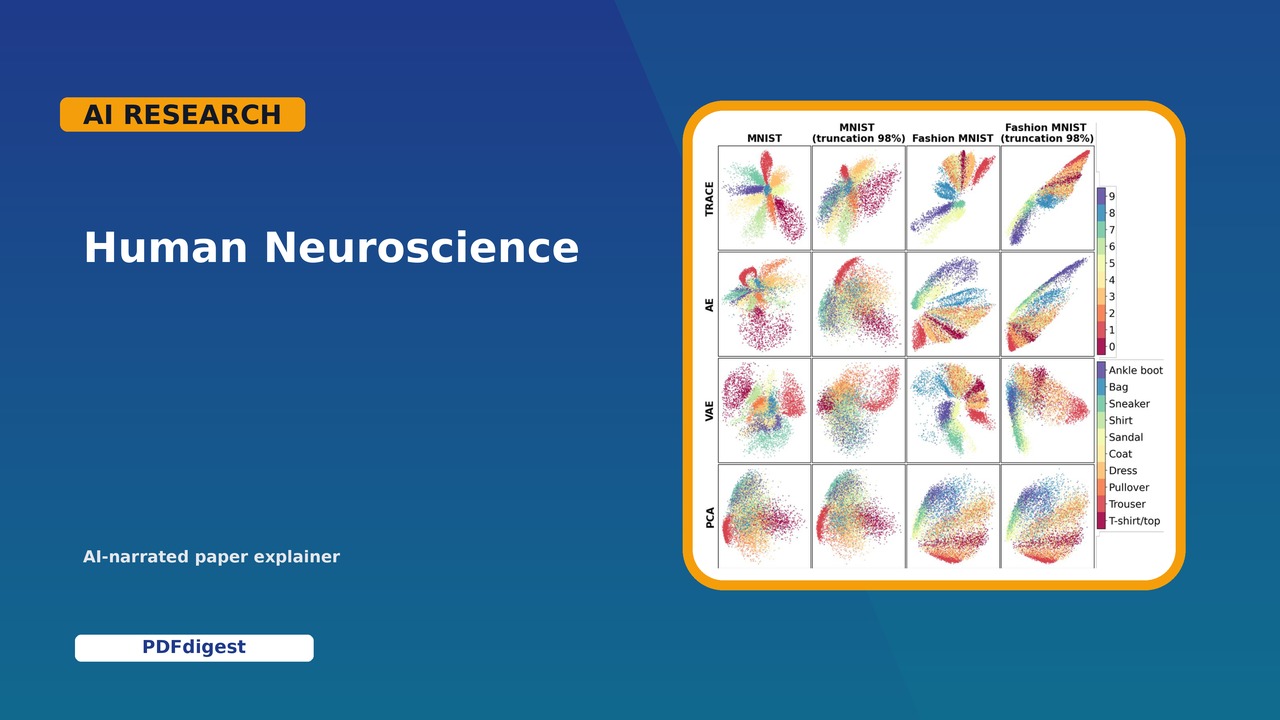
Task-relevant autoencoding enhances machine learning for human neuroscience
This paper introduces a new machine learning model called TRACE that helps researchers better understand how the brain represents information related to human behavior, even when they have limited data.Source: Seyedmehdi Orouji, Vincent Taschereau-Dumouchel, Aurelio CorteseRead full explanation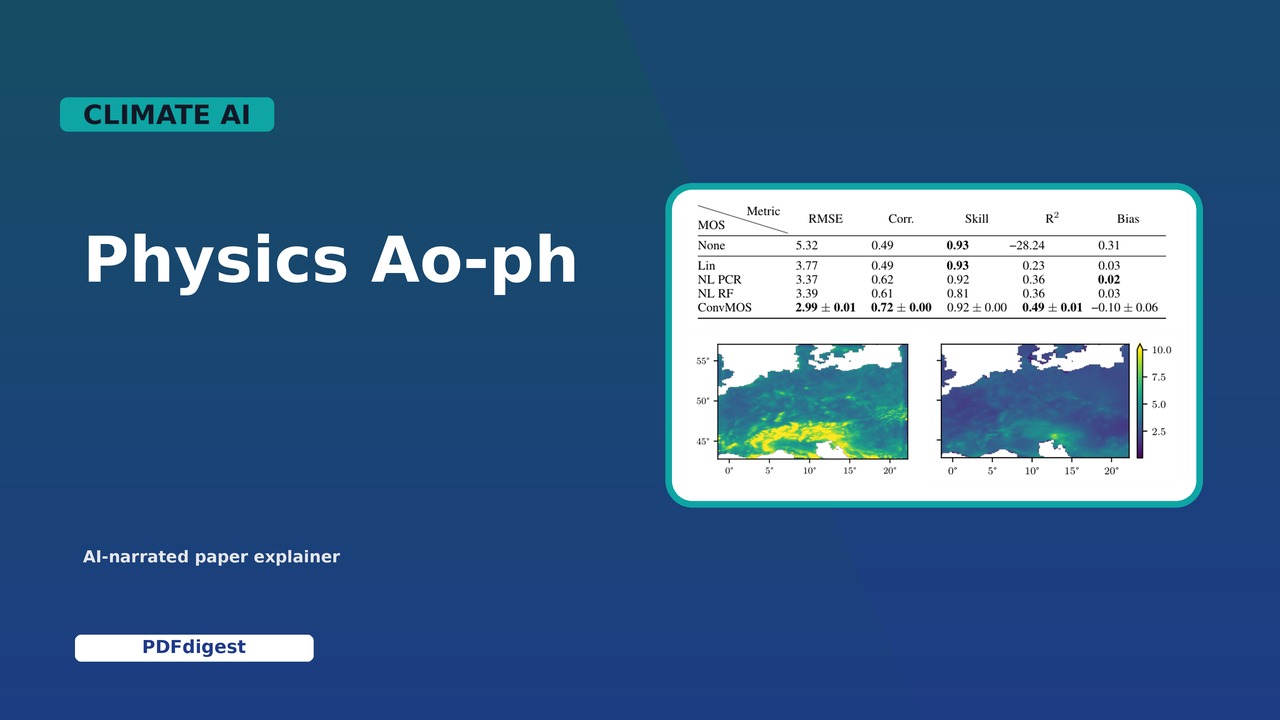
Deep Learning for Climate Model Output Statistics
This paper discusses how deep learning techniques, specifically convolutional neural networks, can improve the accuracy of climate models, particularly in predicting precipitation.Source: Michael Steininger, Daniel Abel, Katrin ZieglerRead full explanation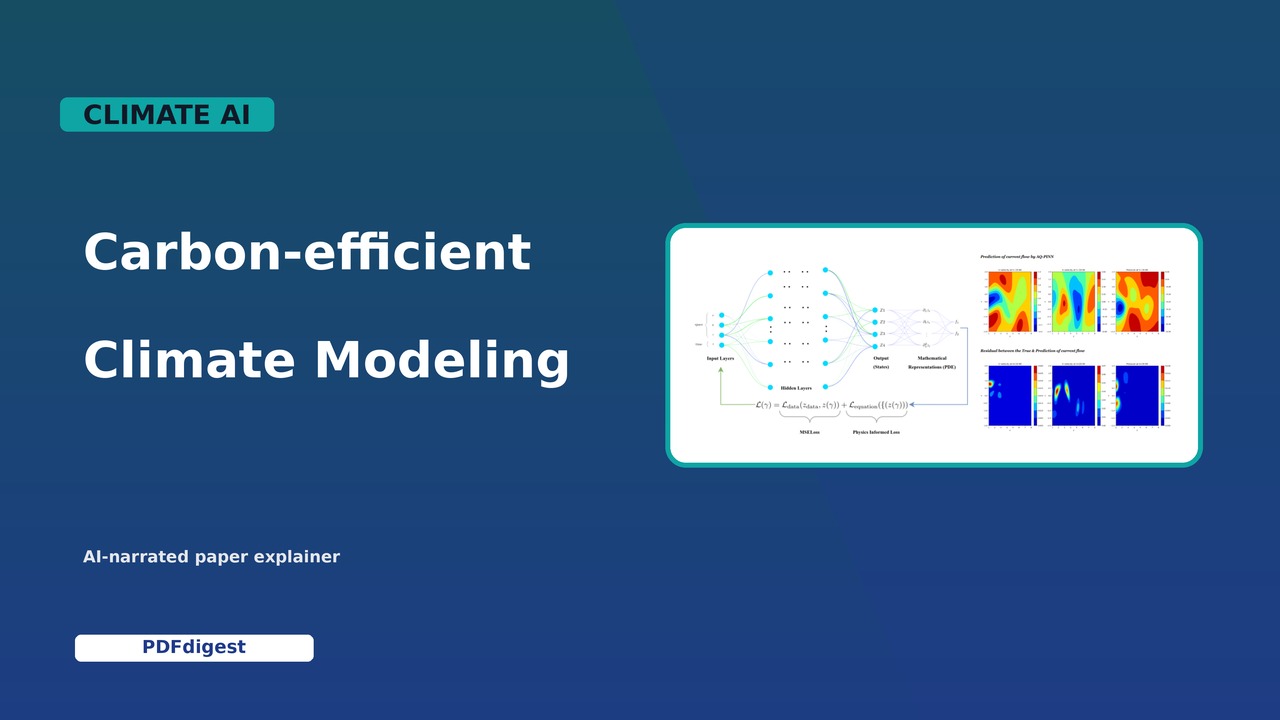
AQ-PINNs: Attention-Enhanced Quantum Physics-Informed Neural Networks for Carbon-Efficient Climate Modeling
This paper presents a new type of neural network that uses quantum computing to improve climate modeling while being more energy-efficient. It aims to reduce the environmental impact of AI technologies.Source: Siddhant Dutta, Nouhaila Innan, Sadok Ben YahiaRead full explanation
BAYESIAN NEURAL DECODING USING A DIVERSITY-ENCOURAGING LATENT REPRESENTATION LEARNING METHOD
This paper explores how the brain organizes memories over time, particularly through the study of rats. It introduces a new method for analyzing neural data that improves our understanding of memory processes.Source: Tian Chen, Lingge Li, Gabriel EliasRead full explanation