PDFdigest Research Library
AI Paper Explanations
Understand artificial intelligence research papers through summaries, methods, findings, figures, and limitations.
Understand academic papers in minutes with clear explanations, source context, visual slides, and narrated videos.
Explore by Field
Latest Paper Explanations
Each article explains the paper, evaluates the evidence, and connects the research to a wider problem.

AIRBORNE ULTRASONIC TACTILE DISPLAY BRAIN-COMPUTER INTERFACE PARADIGM
This paper explores a new way to interact with computers using touchless technology that sends vibrations through the air to the skin. This could help people with disabilities communicate more easily.Source: Katsuhiko Hamada, Hiromu Mori, Hiroyuki ShinodaRead full explanation
HIVE: Understanding Post-Hallucination Reasoning in Vision Language Models
This paper explores how errors in understanding visual information, known as hallucinations, affect the reasoning of models that combine text and images. It introduces a new tool called HIVE to study these effects.Source: Feng He, Zhenting Wang, Qifan WangRead full explanation
Mixture of Cognitive Experts in Large Vision-Language Models
This paper discusses how advanced models that understand both images and text can be improved by using specialized systems that mimic human thinking. It introduces a new framework that helps these models reason better…Source: Robert Wijaya, Ngai-Man CheungRead full explanation
D-Former: A U-shaped Dilated Transformer for 3D Medical Image Segmentation
This paper presents a new model called D-Former, which improves the way computers can analyze and segment 3D medical images. Traditional methods often miss important details, but D-Former uses advanced techniques to capture more…Source: Yixuan Wu, Kuanlun Liao, Jintai ChenRead full explanation
Visual tracking brain computer interface
This paper discusses a new type of brain-computer interface that allows users to control devices continuously using their brain activity, rather than through discrete commands. This technology could improve how we interact with computers…Source: Changxing Huang, Nanlin Shi, Yining MiaoRead full explanation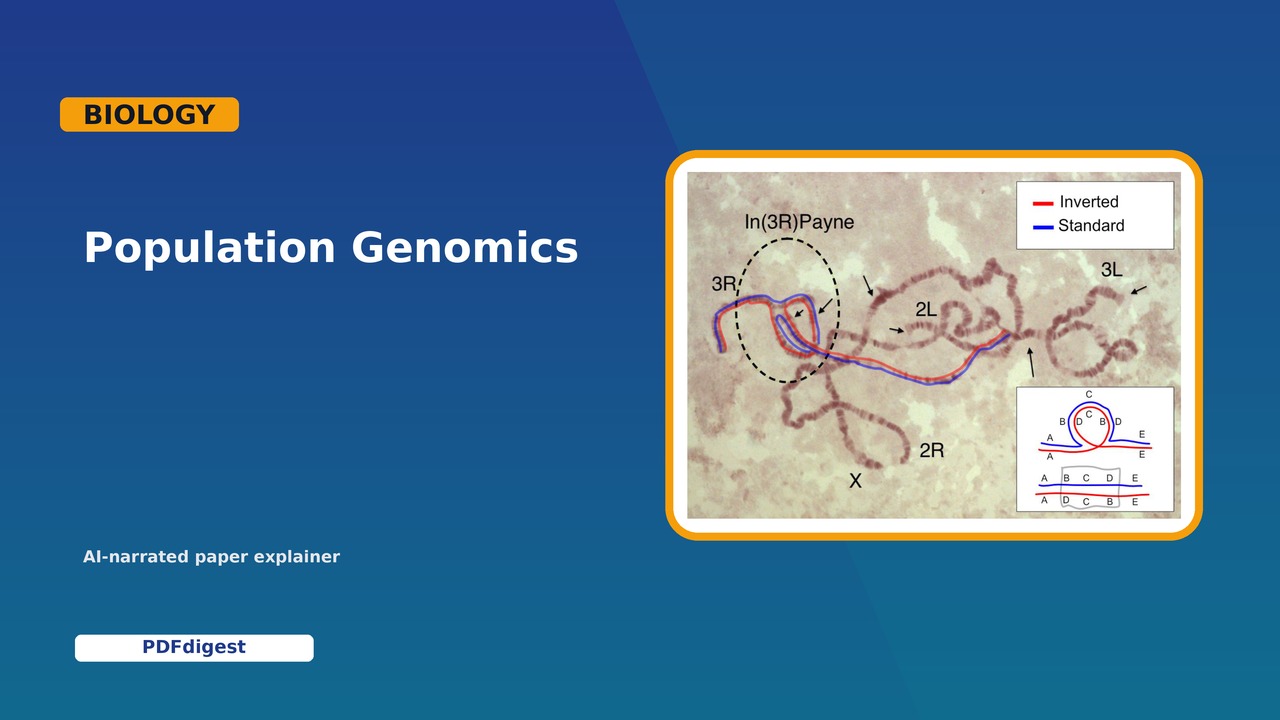
The influence of chromosomal inversions on genetic variation and clinal patterns in genomic data of Drosophila melanogaster
This chapter discusses how certain genetic changes in fruit flies can affect their genetic diversity and adaptation. It explains the methods used to study these changes and their implications for understanding evolution.Source: Martin Kapun¹Read full explanation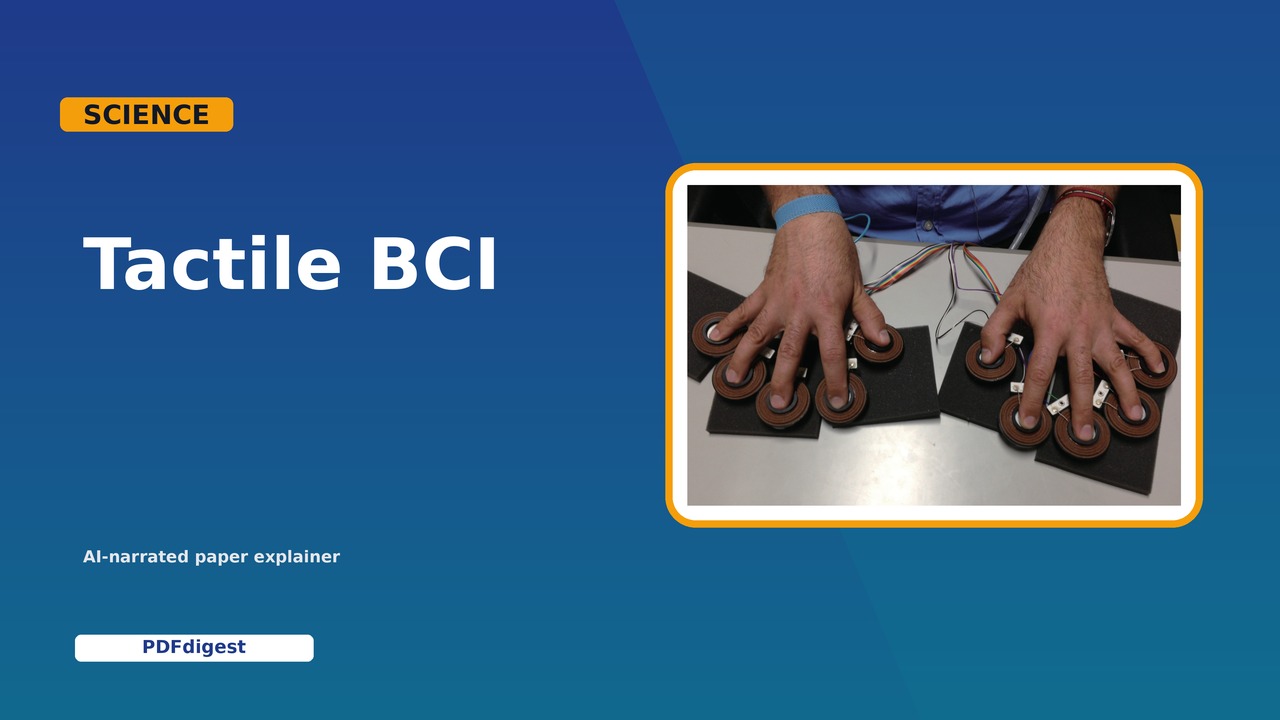
Multi-command Tactile Brain Computer Interface: A Feasibility Study
This study investigates a new way to control devices using touch sensations on the fingertips. It shows that people can respond to these touch signals to operate things like robots without needing extensive training.Source: Hiromu Mori, Yoshihiro Matsumoto, Victor KryssanovRead full explanation
BAYESIAN NEURAL DECODING USING A DIVERSITY-ENCOURAGING LATENT REPRESENTATION LEARNING METHOD
This paper explores how the brain organizes memories over time, particularly through the study of rats. It introduces a new method for analyzing neural data that improves our understanding of memory processes.Source: Tian Chen, Lingge Li, Gabriel EliasRead full explanation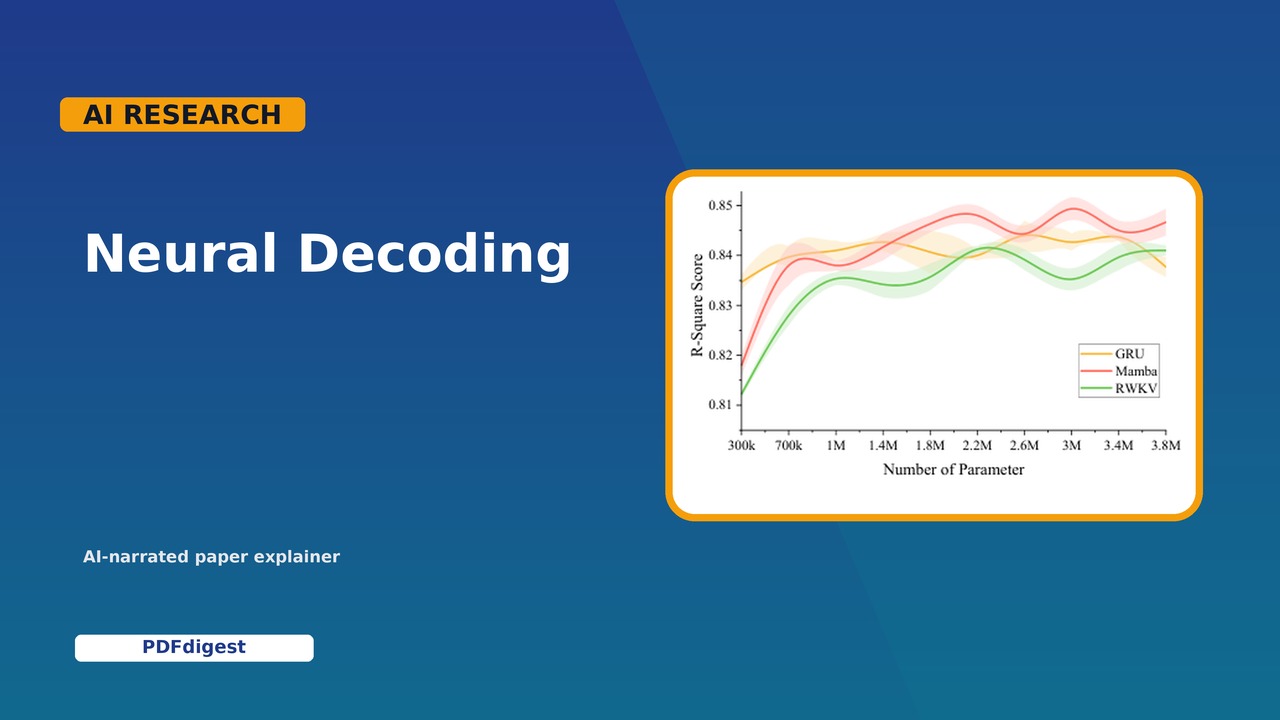
Benchmarking Neural Decoding Backbones towards Enhanced On-edge iBCI Applications
This paper explores how to improve brain-computer interfaces that can be used in everyday life by making them faster and more efficient. It compares different models to find the best one for processing brain…Source: Zhou Zhou, Guohang He, Zheng ZhangRead full explanation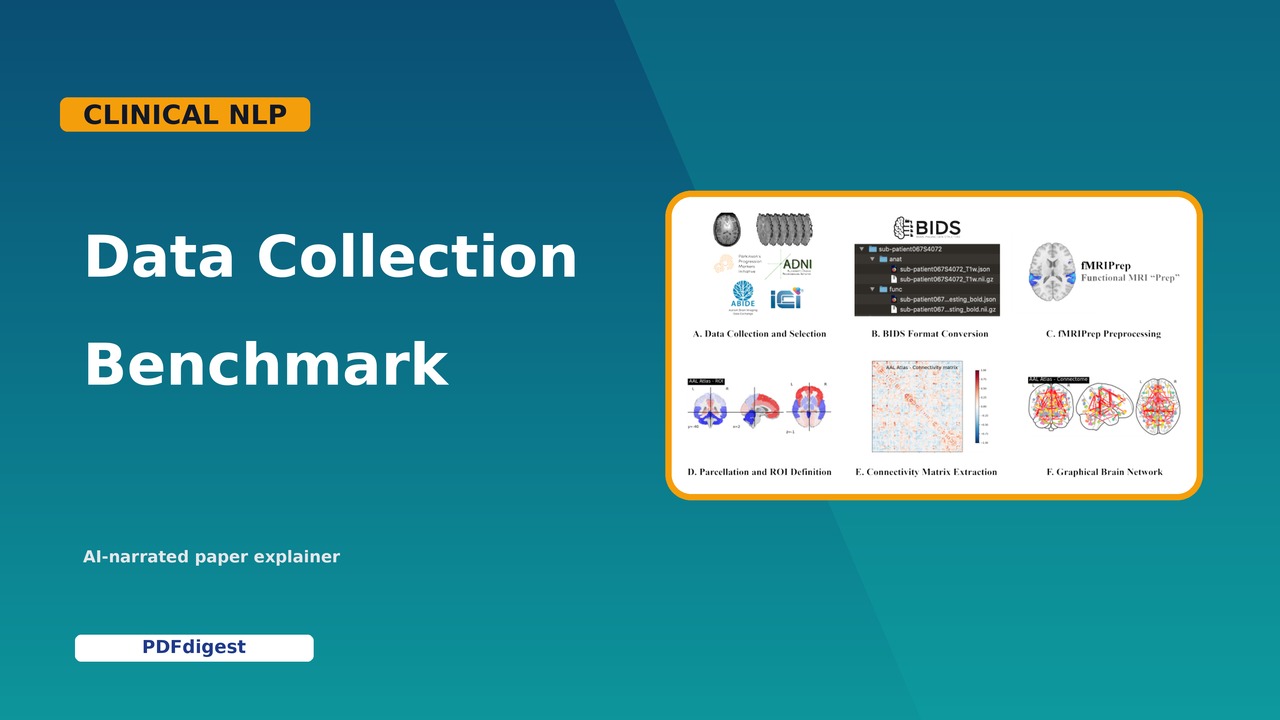
Data-Driven Network Neuroscience: On Data Collection and Benchmark
This paper discusses a new collection of brain imaging data that can help researchers understand brain diseases better. It explains how brain images are processed to create useful datasets for studying conditions like Alzheimer's…Source: Jiaxing Xu, Yunhan Yang, David TseRead full explanation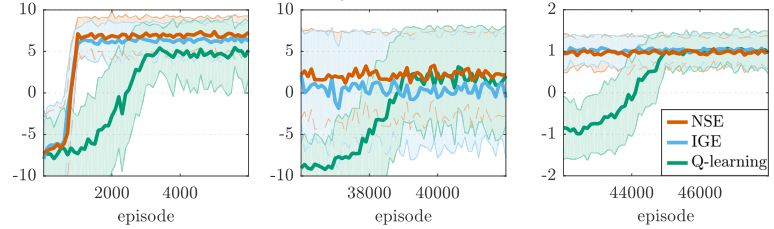
workshop: Beyond tabula rasa in RL (BeTR-RL) TIME ADAPTIVE REINFORCEMENT LEARNING
This paper explores how reinforcement learning can be improved to adapt to different time limits when completing tasks, similar to how humans adjust their strategies based on available time.Source: Chris ReinkeRead full explanation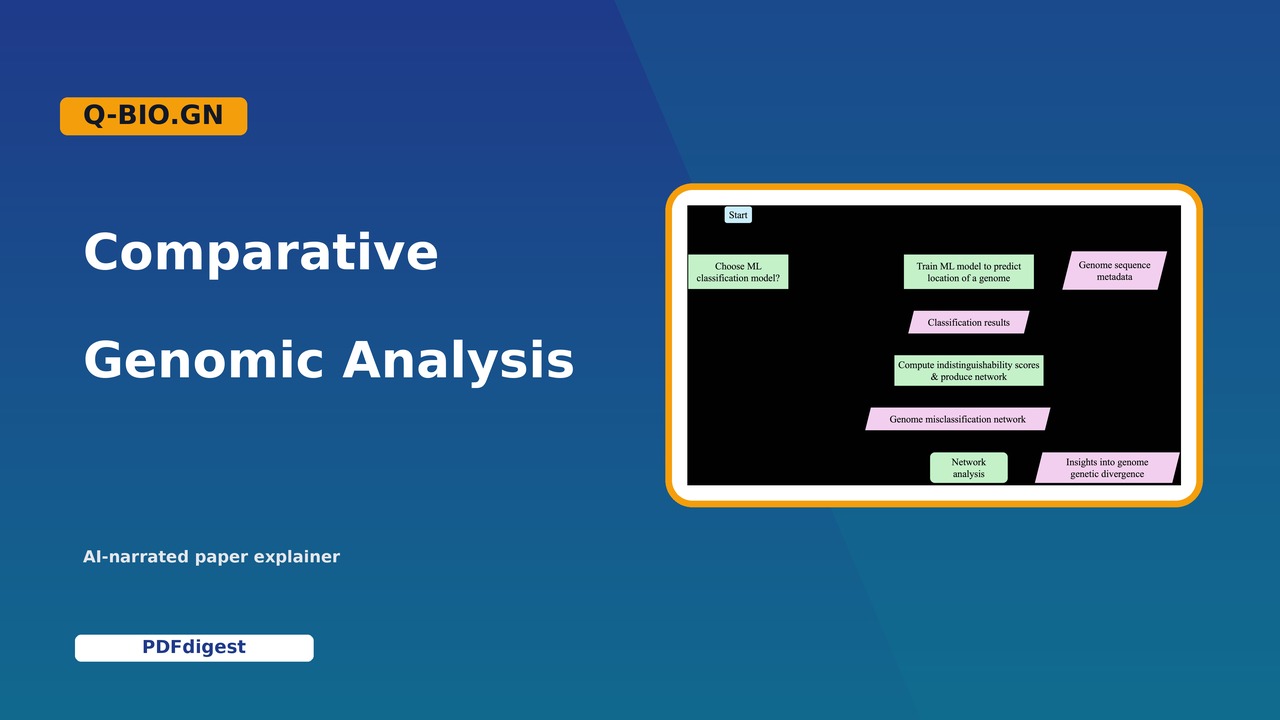
A Misclassification Network-Based: Evidence from Comparative Genomic
This paper introduces a new method for analyzing genome sequences that focuses on understanding errors in classification. By studying how genomes are misclassified, researchers can gain insights into their relationships and improve classification methods.Source: Wan He, Tina Eliassi-Rad, Samuel V ScarpinoRead full explanation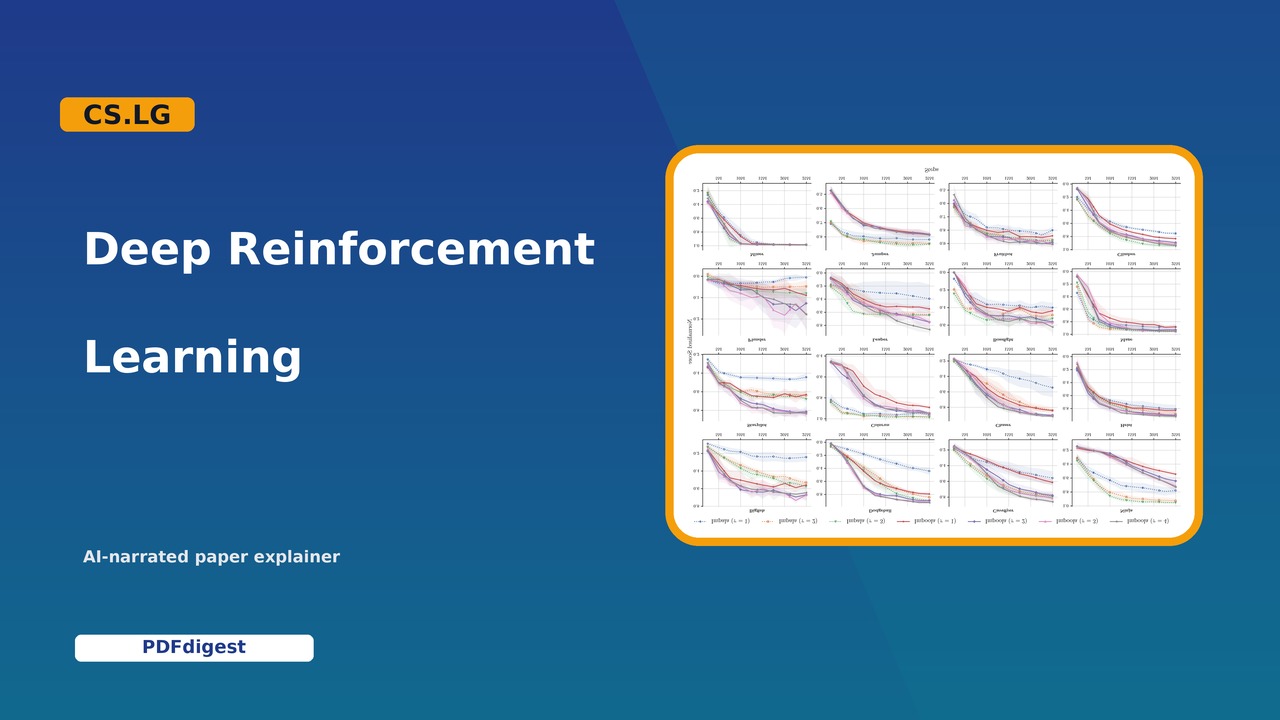
Impoola: The Power of Average Pooling: Evidence from Deep Reinforcement
This paper discusses a new approach to improving deep learning models used in teaching computers to play games by changing how they process images. The authors found that a simpler method of summarizing image…Source: Raphael Trumpp, Ansgar Schäfftlein, Mirco TheileRead full explanation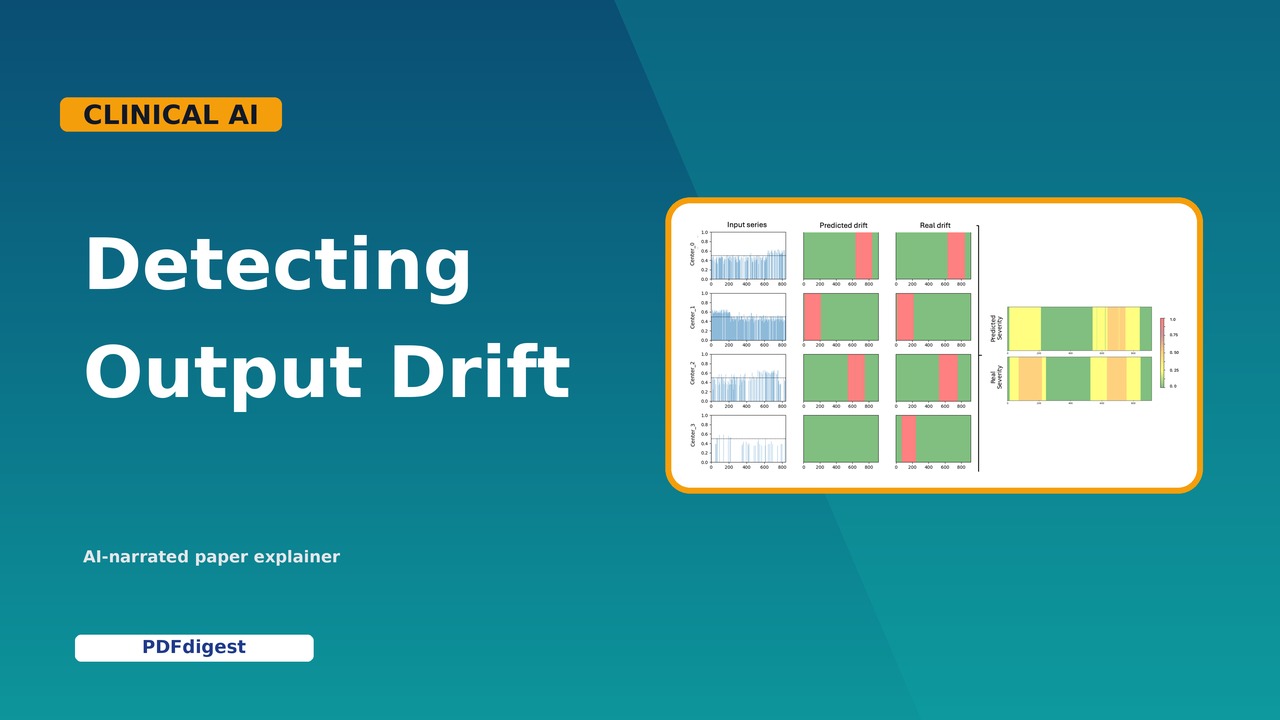
Agent-Based Output Drift Detection for: Evidence from Decision Support System
This paper discusses a new way to monitor the performance of AI systems used in breast cancer treatment across different hospitals. It highlights the importance of detecting when these systems start to perform poorly…Source: Xavier Rafael-Palou, Jose Munuera, Ana Jimenez-PastorRead full explanation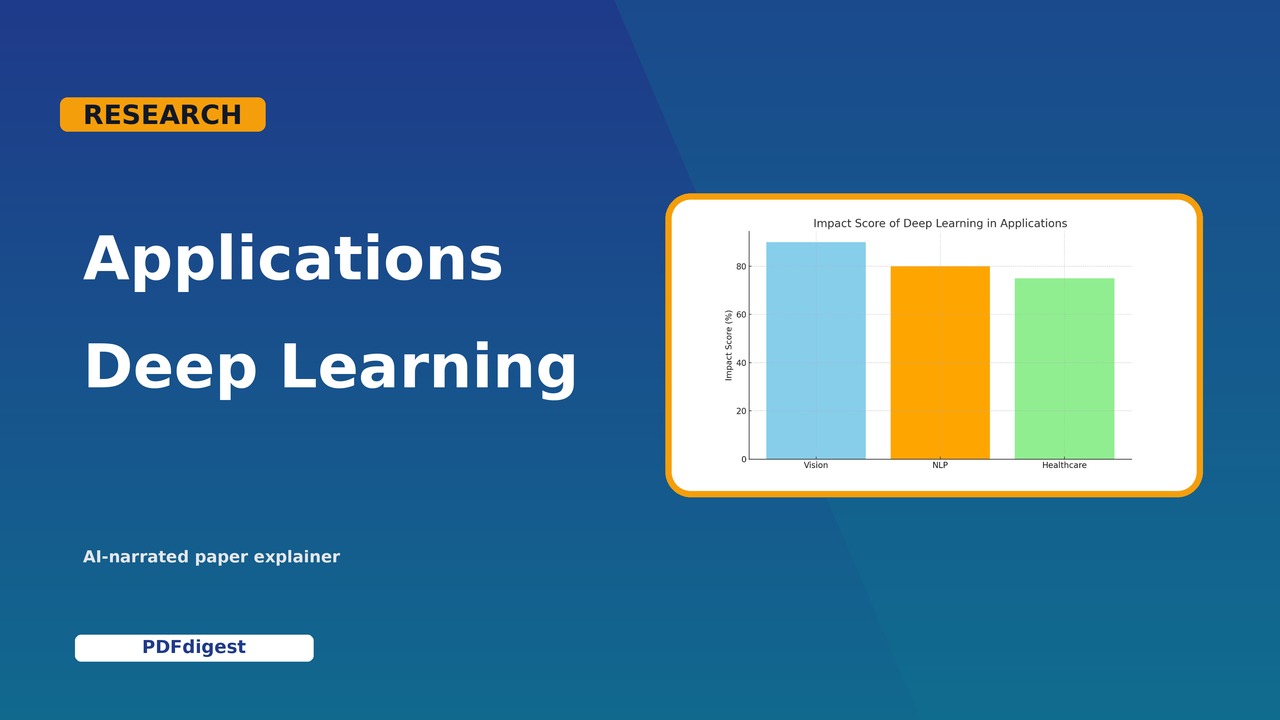
Intelligent Learning Systems: A Deep: Evidence from Architectures Algorithms
This paper discusses how deep learning, a modern approach in machine learning, helps computers recognize patterns and extract information from data. It covers different models like CNNs for images, RNNs for sequences, and GANs…Source: jk krRead full explanation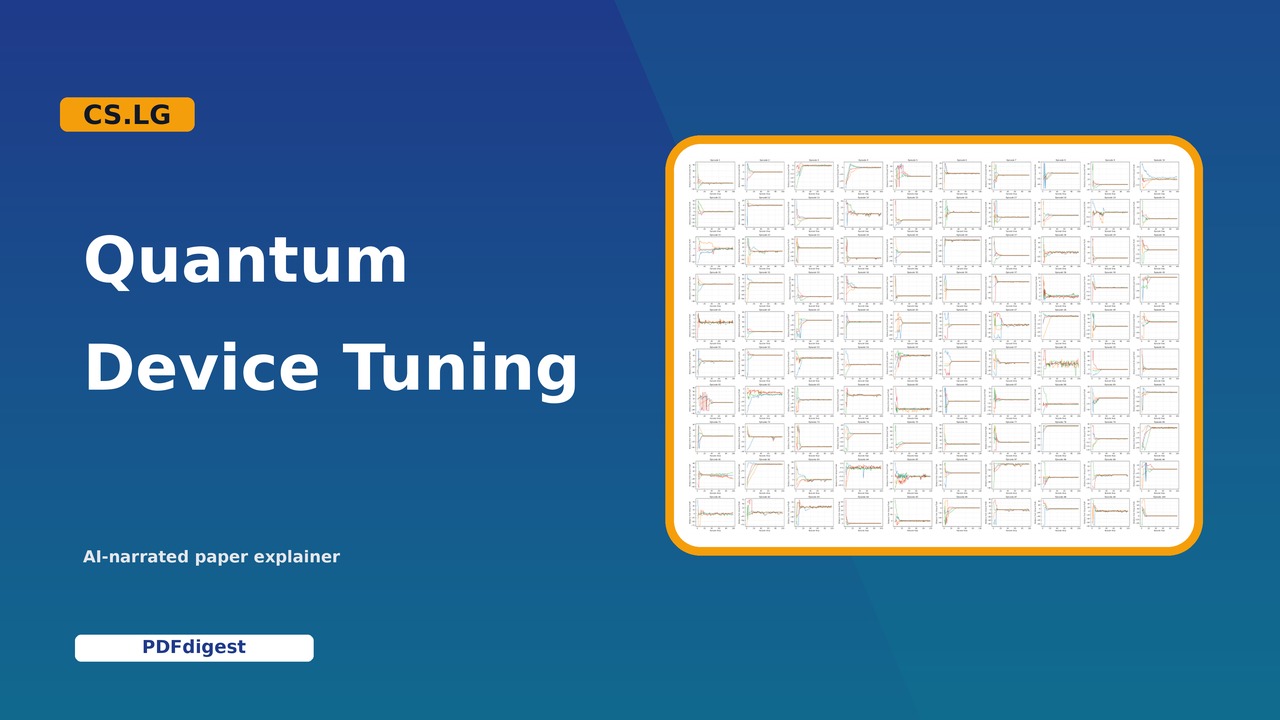
Action-Factored Multi-Agent: Evidence from Quantum Device Tuning
This paper introduces a new method for tuning quantum devices using a type of machine learning called reinforcement learning. The method helps multiple agents work together more effectively, reducing interference and improving the tuning…Source: Edwin De Nicolo, Rahul Marchand, Cornelius CarlssonRead full explanation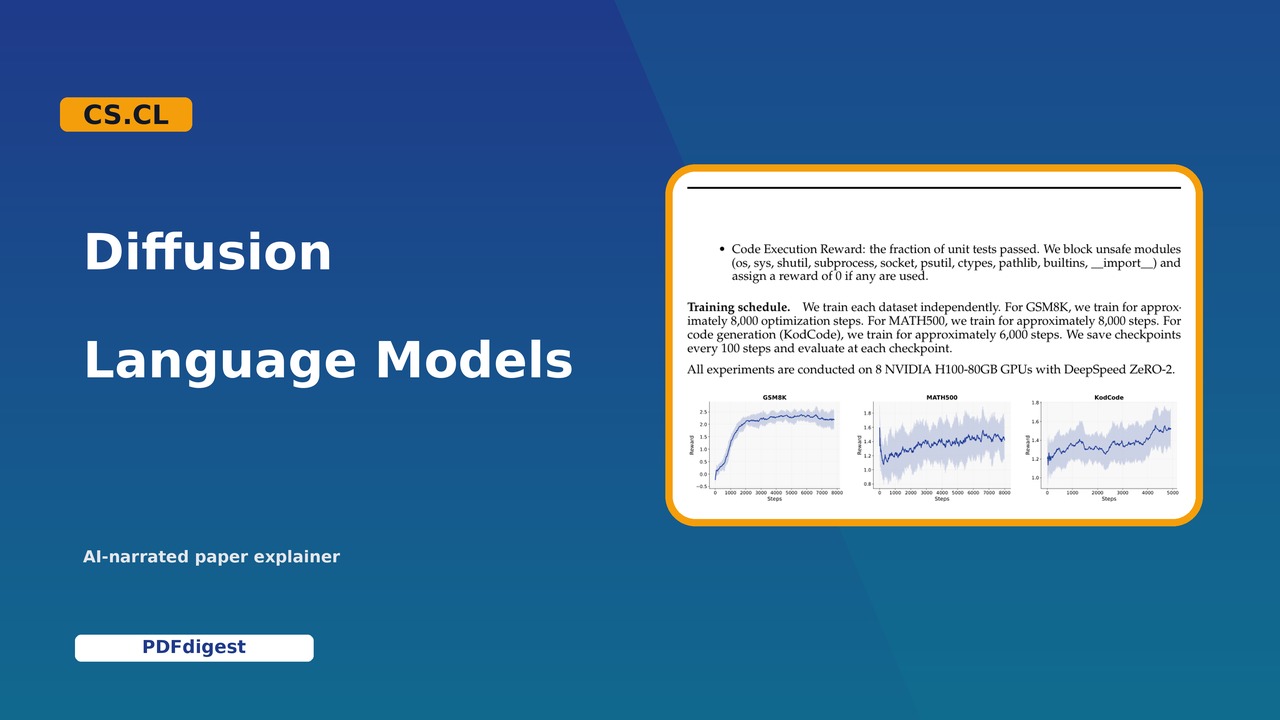
Mask-Aware Policy Gradients for: Evidence from Diffusion Language Models
This paper discusses a new method for improving language models using reinforcement learning, specifically focusing on how to better handle masked tokens during text generation.Source: Haran Raajesh, Kulin Shah, Adam KlivansRead full explanation