CSG: A CONTEXT-SEMANTIC GUIDED DIFFUSION APPROACH IN DE NOVO MUSCULOSKELETAL ULTRASOUND IMAGE GENERATION
This paper presents a new method for creating realistic ultrasound images using artificial intelligence. The method combines different types of information to improve the quality and variety of the images generated.
Content & Liability Disclaimer
This article and its accompanying video are automated summaries derived from CSG: A CONTEXT-SEMANTIC GUIDED DIFFUSION APPROACH IN DE NOVO MUSCULOSKELETAL ULTRASOUND IMAGE GENERATION by Elay Dahan, Ai / Ml, Hedda Cohen, Angeles M Perez-Agosto, Carmit Shiran, Gopal Avinash, Doron Shaked, Nati Daniel. The original research was conducted solely by the paper's authors; PDFdigest did not conduct any of the research and makes no claims of ownership over the underlying scientific work.
The video narration is generated by artificial intelligence and references the paper's authors for attribution. The video is not narrated by any of the paper's authors. This content may contain inaccuracies, omissions, or misinterpretations of the original research. First-person language (e.g., "we found", "our results") reflects the original authors' voice, not PDFdigest's. Always read the original paper for accurate, verified information before making any decisions based on this content.
This content is provided "as is" without any warranties, express or implied. Simulated systems OÜ, its officers, directors, employees, and agents shall not be liable for any direct, indirect, incidental, special, consequential, or punitive damages arising from your use of, reliance on, or access to this content, including but not limited to errors, omissions, or misinterpretations of the original research. This disclaimer applies to the fullest extent permitted by applicable law.
- 1 Synthetic images can help overcome the lack of diverse medical imaging data.
- 2 The new method, CSG, allows for better control over the appearance and structure of generated images.
- 3 CSG-generated images perform better in AI models and are hard to distinguish from real images.
Introduction
Ultrasound imaging is a non-invasive and cost-effective method for visualizing organs and tissues. The demand for large datasets in AI applications poses challenges, particularly in identifying pathological anomalies. CSG addresses these challenges by combining semantic and context guidance for image generation.
Materials And Methods
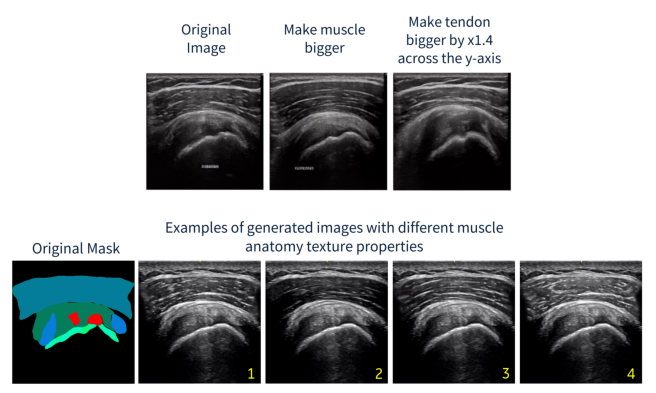
The CSG method includes a context selection algorithm and a dual-conditioning image generation model. It allows for the generation of semantic masks and enhances image variability through geometry and texture editing.
Context selection
Context conditioning controls the texture properties of output images by selecting visually similar images based on extracted textual features, creating a dataset of paired semantic masks and context images.
How PDFdigest Helps You Understand Research
Instant Paper Analysis
Get structured summaries and key findings from dense PDFs in seconds.
Visual Explanations
Turn complex methods, figures, and results into clearer visual breakdowns.
AI-Powered Q&A
Ask focused questions and get answers grounded in the paper.
Image generation
The image generation process uses a conditional latent diffusion model to produce ultrasound images based on semantic masks and context images, enhancing the anatomical structure and diversity of generated samples.
Source Paper Figures and Captions
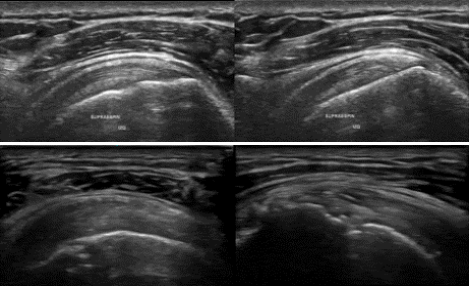
Illustrates the advantages of CSG over traditional GANs in generating contextually and semantically guided images.
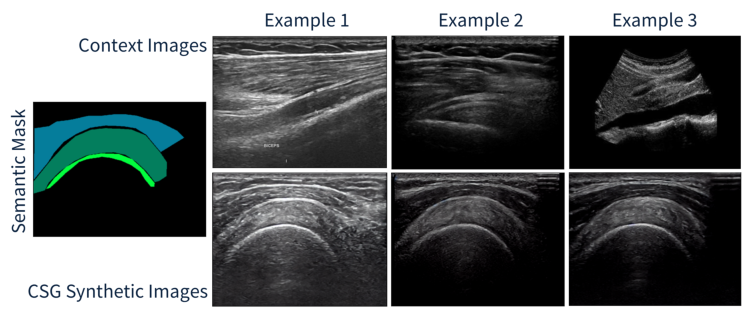
Demonstrates the effectiveness of context selection in finding visually similar images.
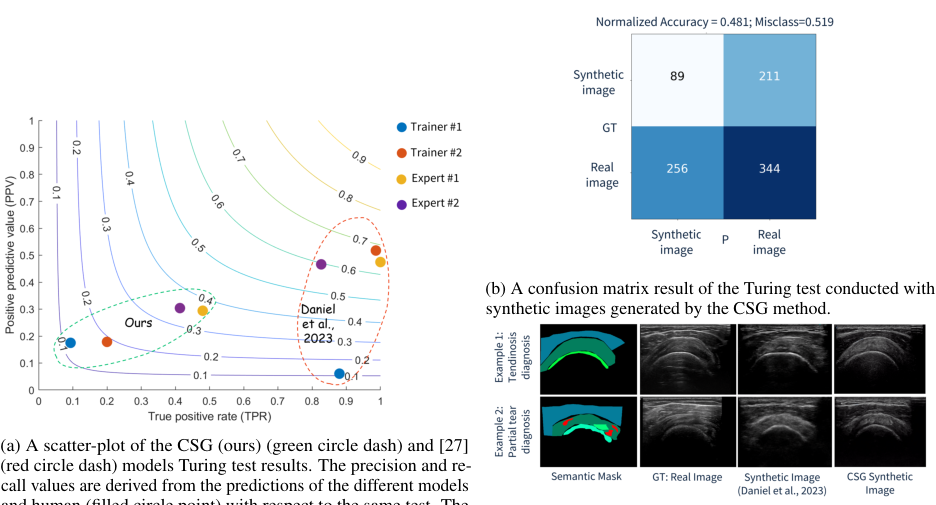
Shows the correlation between generated images and conditioned context images, highlighting the model’s effectiveness.
Frequently Asked Questions
This paper presents a new method for creating realistic ultrasound images using artificial intelligence. The method combines different types of information to improve the quality and variety of the images generated.
Ultrasound imaging is a non-invasive and cost-effective method for visualizing organs and tissues. The demand for large datasets in AI applications poses challenges, particularly in identifying pathological anomalies. CSG addresses these challenges.
The CSG method includes a context selection algorithm and a dual-conditioning image generation model. It allows for the generation of semantic masks and enhances image variability through geometry and texture editing.
Yes. PDFDigest can turn this paper into a structured explanation, key takeaways, visual summaries, and a narrated video when available.